Garage floor shelving comes in three materials: wire (adjustable, ventilated, $45-60), plastic (rust-proof, moisture-safe, $60-110), and metal (heavy-duty, 2000+ lb capacity, $80-140). Pick wire for general storage and easy assembly, plastic for damp floors near water heaters, and metal for heavy tools and car parts. Measure your wall run and check weight capacity before buying — those two steps prevent 90% of buyer’s remorse. The garage organization hub frames the full 5-zone system; this guide drills into the floor-shelving layer.
Why Floor Shelving Is Different from Wall or Ceiling Storage
We see the same pattern every time: a garage with open shelves looks cluttered within a week of any project. Floor shelving solves three problems at once.
Floor shelving accounts for the majority of garage storage purchases — the Amazon Basics wire unit alone has over 250,000 reviews. Weight capacity ranges from 150 lbs per shelf (plastic) to 800 lbs per shelf (commercial wire). For the broader framework, see the 4-type storage system where floor shelving sits alongside wall rails, overhead racks, and cabinets.
If your garage is stuffed, declutter first. The declutter-fast method walks you through purging in categories so you buy fewer shelves.
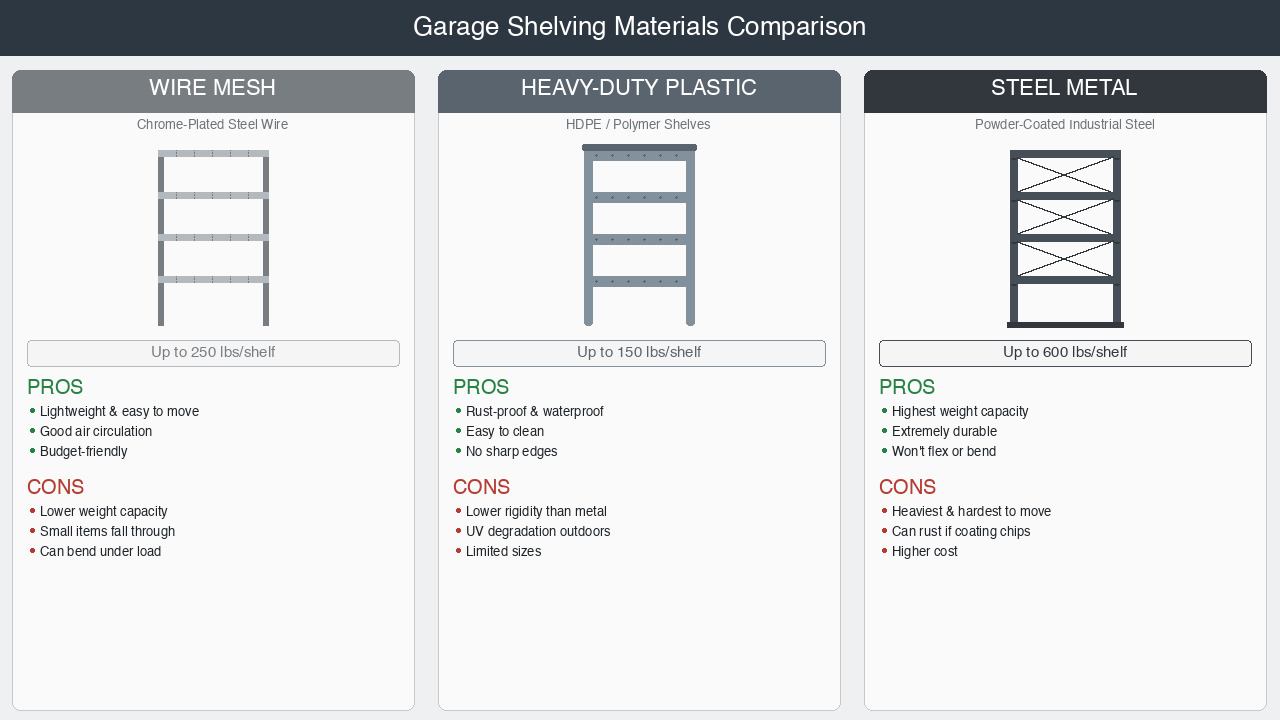
The Three Materials: Wire vs Plastic vs Metal
Your first decision isn’t brand or size — it’s material. Each handles weight, moisture, and assembly differently.
Wire Shelving — The Versatile Default
Wire shelving uses steel wire construction, typically chrome or black powder-coated. It’s the most popular garage floor shelving type, and we recommend it as the starting point for four reasons: tool-free assembly (a sleeve-and-post system clicks together in minutes), adjustable shelf height in 1-inch increments, ventilation (dust falls through, air circulates), and budget pricing. Wire shelves hold 350-800 lbs per shelf depending on gauge.
The Amazon Basics 5-Shelf Wire unit ($58.79) is the default choice: 36-inch width, 14-inch depth, 350 lbs per shelf, no tools required. For commercial-grade capacity, the Seville Classics NSF Wire Shelving ($139.99) hits 800 lbs per shelf with NSF certification.
Limitation: small items fall through the wire gaps. Use shelf liners or solid mats for hardware and small parts.
Plastic Shelving — The Rust-Proof Option
Plastic shelving (polypropylene or resin) never rusts, never needs painting, and cleans with a hose. We recommend it for damp zones where metal would fail within a year. Weight capacity is lower — 150-200 lbs per shelf — but sufficient for most household garage items: paint cans, cleaning supplies, seasonal decor, and sports equipment. Price range is $60-110.
The Sterilite 5-Shelf Plastic unit ($78.99) handles damp garage zones without corroding. For tight corners, the CX 4-Tier Plastic Shelves ($103.99) offers a compact footprint with 200 lbs per shelf.
Plastic is the right call for any zone within 3 feet of a water heater, washing machine, or exterior door. Limitation: shelves are usually fixed-height, not adjustable.
Metal Shelving — The Heavy-Duty Workhorse
Metal shelving uses solid steel panels or riveted beams — not wire grids. That means small items don’t fall through, and capacity jumps to 400-2000+ lbs. Price range is $45-140.
The Sakugi 5-Tier Metal unit ($44.98) is the narrowest option at 12.6-inch depth — it fits beside a car door in a tight 1-car garage. For engine parts and tool chests, the VEVOR 2000 lbs Metal Shelving ($91.40) delivers 48-inch width and 24-inch depth at commercial capacity.
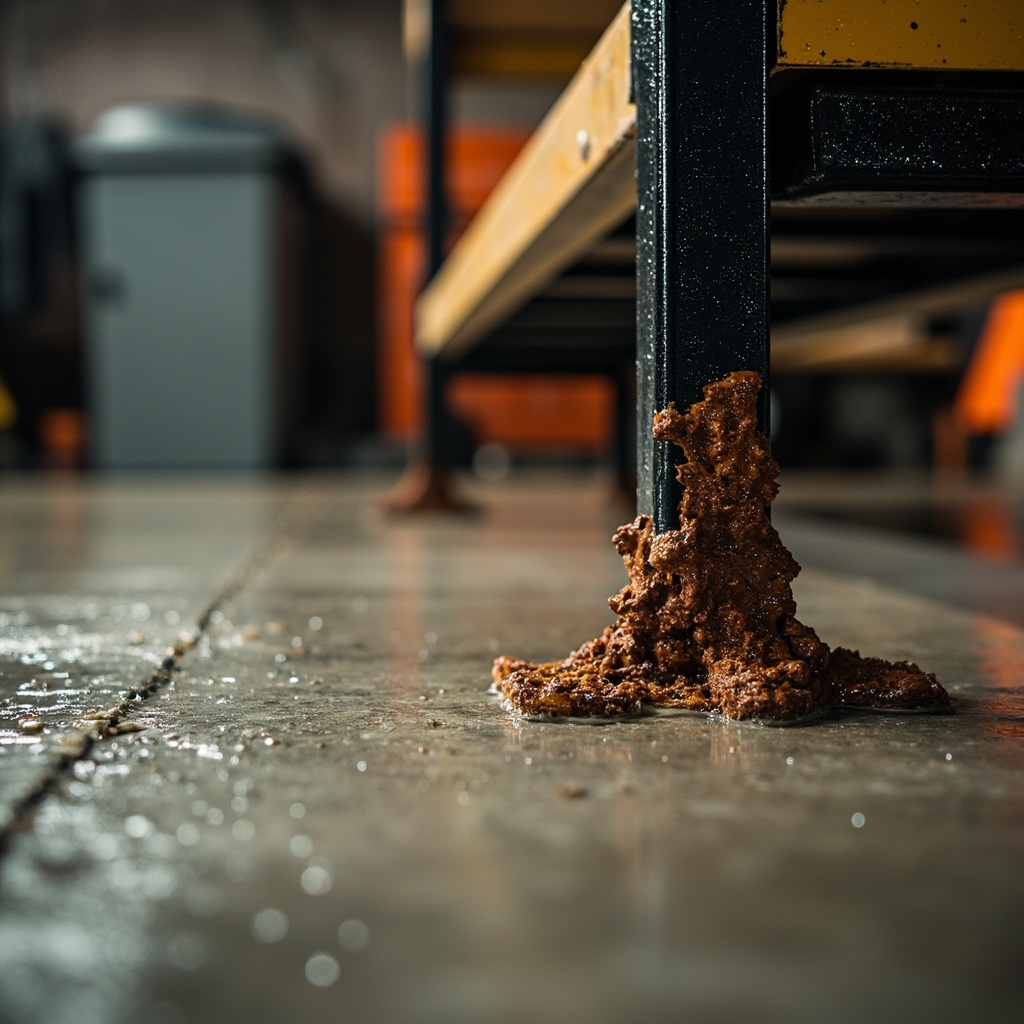
Limitation: metal is heavier to move, harder to adjust shelf height, and can rust if the powder coating chips on damp concrete. For enclosed storage instead of open shelves, see the garage cabinet storage guide.
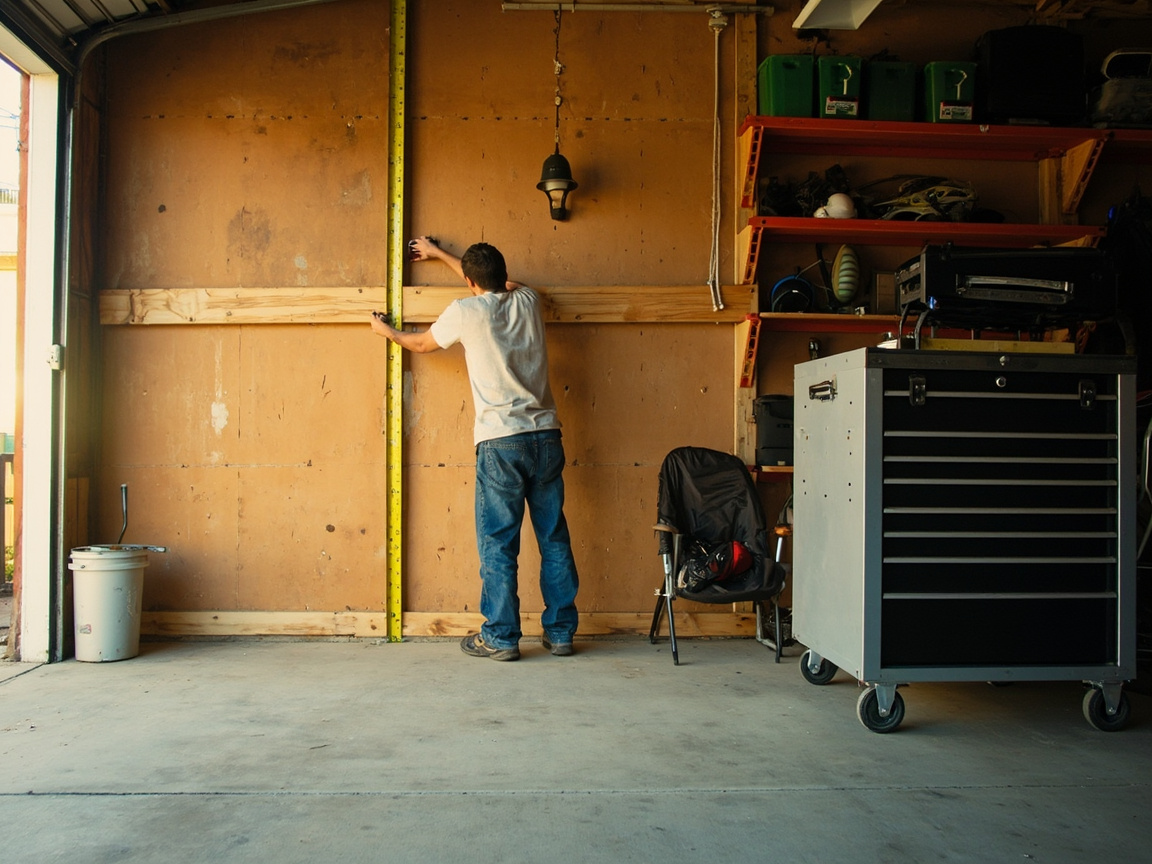
Layout by Garage Size
Garage dimensions dictate which materials and depths work. Here’s how to match shelving to your space.
1-Car Garage (12x22 ft) — Narrow Depth Priority
A single-car garage has limited wall runs — often 2-3 feet of clearance beside the vehicle. Use narrow-depth shelving (14 inches or less) to maximize floor space. The Amazon Basics 5-Shelf Wire (36-inch W x 14-inch D) fits alongside most sedans. For even tighter spots, the Sakugi compact metal unit at 12.6-inch depth is the narrowest option.
Stack vertically — a 72-inch height uses wall space without encroaching on the parking bay. Avoid 24-inch-deep units in 1-car garages; they eat into door clearance. For more space-constrained strategies, see the small garage organization guide.

2-Car Garage (22x22 ft) — Zone System with Mixed Materials
Two-car garages have enough wall runs for a zone system: wire shelving along the back wall, plastic near the water heater (moisture zone), and heavy-duty metal for the tool zone. Rolling wire units like the Amazon Basics on Casters ($57.97) bridge zones for transport.
Deep Garage or Workshop (24x24+ ft) — Heavy-Duty Rows
Deep garages and workshops can accommodate full-depth shelving rows (24-inch depth). Use commercial-grade wire shelving like the Seville Classics NSF ($139.99) for high-visibility inventory. NSF-certified wire shelving meets commercial kitchen standards — useful if the garage doubles as pantry overflow.
Constraint Guide
Material choice depends on constraints specific to your garage. Each scenario below narrows the decision.
If Your Garage Floor Gets Damp — Choose Plastic, Never Bare Metal
Concrete garage floors wick moisture, especially in coastal or basement-adjacent garages. Bare metal shelving will rust within 6-12 months if the powder coating chips. Choose the Sterilite Plastic unit ($78.99) for any zone within 3 feet of a water heater or washing machine. If you must use metal, place rubber furniture cups under each leg — they cost about $8 for a set of four. The CX 4-Tier Plastic ($103.99) works for compact damp corners.
If You Store Heavy Tools or Car Parts — Choose Metal, Not Wire
Wire shelving tops out at 350-800 lbs per shelf. Engine blocks, transmission parts, and full tool chests exceed this. Use the VEVOR 2000 lbs Metal unit ($91.40) for any item over 100 lbs per shelf. Wire shelves will bow permanently under sustained heavy loads. The Sakugi Metal unit ($44.98) handles mid-weight tools at a lower price point if you don’t need 2000 lbs capacity.
If You Rent or Move Frequently — Choose Wire on Wheels
Wall-mounted shelving requires drilling into studs — not an option for renters. Freestanding wire shelving on wheels can be rolled out for garage cleaning, packed into a moving truck, and reassembled without tools. The Amazon Basics on Casters ($57.97) includes 4 locking wheels and stands 57.75 inches tall — short enough for apartments with low ceilings. The standard Amazon Basics Wire unit ($58.79) also works without wheels if you don’t need mobility.
If You’re on a Budget Under $60 — Choose Wire or Budget Metal
The cheapest viable floor shelving is the Amazon Basics 5-Shelf Wire ($58.79) or the Sakugi budget metal ($44.98). Both hold general household garage items. Avoid no-name brands under $40 — they use thinner gauge steel that sags under load within months.
If Your Garage Has a Sloped Floor — Use Leveling Feet
Many garage floors slope toward the door for drainage. All recommended units include leveling feet — screw them down until the shelf is plumb. Without leveling, shelves wobble and items slide. If your slope exceeds 1 inch over 6 feet, add rubber shims under the downhill legs. See the zone layout guide for slope-aware placement.
The 5-Step Method: Choosing Your Floor Shelving
Step 1: Measure Your Wall Run
Measure the available wall length (typically 3-8 feet in a residential garage). Subtract 2 inches for clearance. This is your maximum shelf width. Common widths: 33 inches (Sakugi), 36 inches (Amazon Basics), 48 inches (VEVOR).
Step 2: Check Ceiling Height
Most garage ceilings are 96-108 inches. Your shelf height should be 72-75 inches to leave room for overhead storage or garage door tracks. All recommended units are 72-75 inches tall, except the Amazon Basics on Casters at 57.75 inches for low-clearance spaces.
Step 3: Assess Your Heaviest Item
Weigh or estimate your heaviest stored item. Divide by the number of shelves it will sit on. If any shelf needs to hold over 350 lbs, skip wire and go straight to the VEVOR heavy-duty metal. Under 150 lbs? Plastic is fine.
Step 4: Check Floor Moisture
Place a square of aluminum foil on the concrete floor, tape the edges, and check after 24 hours. Condensation under the foil means moisture — choose the Sterilite plastic or add rubber leg caps to metal shelving.
Step 5: Decide Fixed or Mobile
If you deep-clean your garage quarterly or need to access items behind the shelf, choose a unit with wheels. If the shelf stays put permanently, fixed feet are more stable and hold more weight.
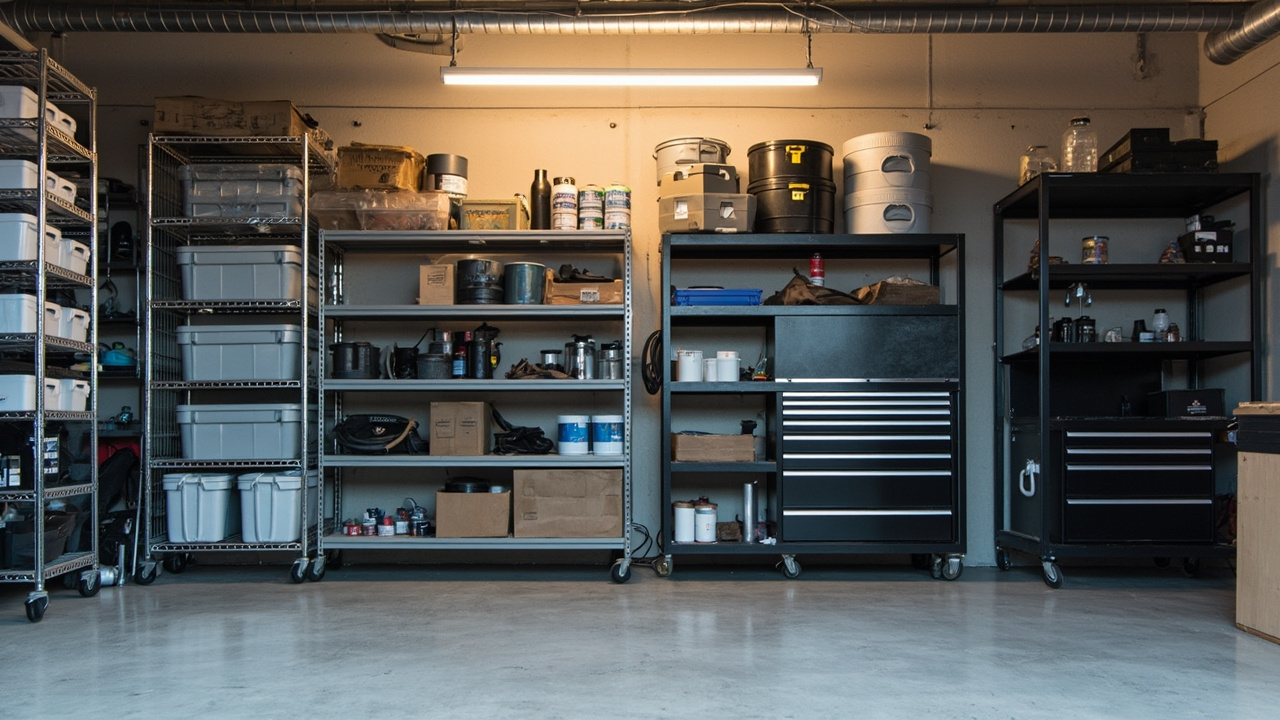
Common Mistakes
- Buying Before Measuring the Wall Run
The most common garage shelving mistake is ordering a 48-inch-wide unit for a 36-inch wall gap. Measure first — garage walls often have electrical panels, hose bibs, or door swings that reduce usable space by 6-12 inches. Always measure the actual clearance, not the nominal wall length.
- Ignoring Weight Capacity Specs
Wire shelving is rated per shelf (typically 350 lbs), not total unit capacity. Users see “5 shelves” and assume 5 x 350 = 1750 lbs total. The actual total capacity is lower because the posts and sleeves share the load. Check the manufacturer’s total rating, not just per-shelf.
- Using Bare Metal on Damp Concrete
Even powder-coated metal shelving will rust where the coating chips — typically at the base where it contacts concrete. Moisture wicks up through the powder coating breach. Solution: rubber furniture cups under each leg, or choose plastic shelving for damp zones.
- Skipping Leveling Feet on Sloped Floors
Garage floors slope 1/4 to 1 inch per 8 feet for drainage. Without leveling feet, shelves rock, doors bind, and heavy items slowly migrate downhill. Every unit in this guide includes leveling feet — use them even if the floor looks flat.
- Overloading the Top Shelf
Top shelves have the least structural support because the posts are longest at the top, creating extra force. Load the bottom shelves first and heaviest. Keep the top shelf for lightweight items. A top-heavy shelf is a tip-over hazard.
How to Measure Your Garage Before Buying
Grab a tape measure. We recommend four numbers that tell you everything:
- Wall run length — measure from the nearest obstruction (door frame, electrical panel) to the next. Subtract 2 inches for installation clearance.
- Depth — standard garage shelves are 14-18 inches deep. If you park a car, measure from the wall to the car door fully open. Anything deeper than that blocks door access.
- Height — floor to ceiling, minus 4 inches for overhead clearance. Standard shelving is 72 inches tall.
- Floor level — place a 2-foot level on the floor. If the bubble moves more than halfway, you have a slope that needs leveling feet or shims.
For space-constrained garages, the small garage organization guide covers wall-run math in more detail. Pair your shelves with the right containers using the storage bins decision guide and the shelf organizers guide.
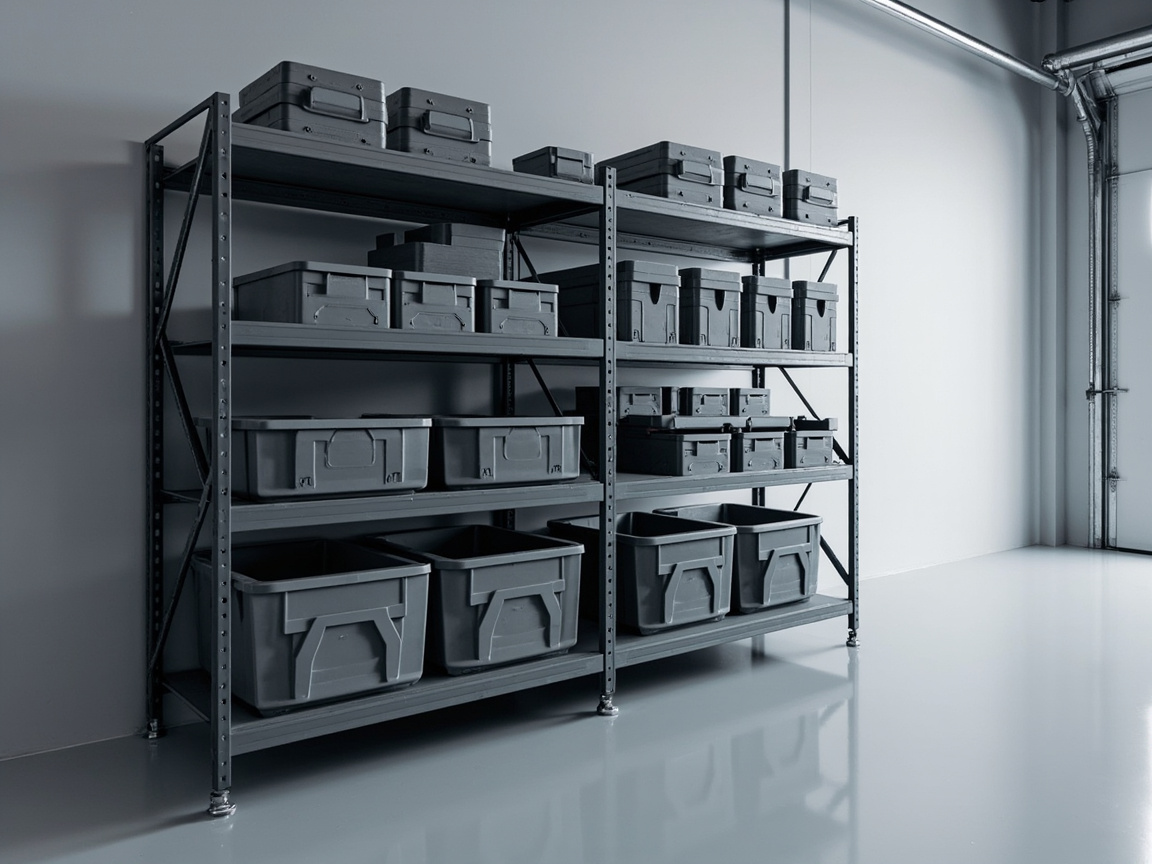
Maintenance: Quarterly Garage Shelf Reset
Garage shelves accumulate dust, spills, and redistributed items. A quarterly reset takes 30 minutes:
- Clear one shelf at a time — move items to a folding table.
- Wipe wire shelves with a damp microfiber cloth. Don’t soak them.
- Check for rust spots on metal shelving — treat with rust converter spray.
- Re-level — concrete floors settle; recheck the bubble level.
- Reassign — items that migrated go back to their labeled zones.
Before each reset, run through the garage declutter checklist to purge items that don’t belong. The zone-cleaning method keeps shelf zones organized between resets.
Related
- Garage Organization — the complete 5-zone garage system
- Garage Storage Solutions — the 4-type storage framework where floor shelving fits
- Garage Cabinet Storage — enclosed cabinet decision guide for tools that need dust protection
- How to Choose Storage Bins — pairing bins with floor shelving for maximum efficiency
Key Takeaways
- Wire shelving is the default for general garage storage — adjustable, ventilated, budget-friendly.
- Plastic shelving is the right call for damp zones — it never rusts.
- Metal shelving handles the heaviest loads (2000+ lbs) for tools and car parts.
- Always measure wall run and ceiling height before buying — ordering too wide is the most common mistake.
- Leveling feet are non-negotiable on sloped garage floors.
- Mobile shelving (on wheels) is worth the capacity trade-off if you deep-clean quarterly.
- Heavy items go on bottom shelves — top shelves have the least support.