A garage works better when the current season is visible and the next one is staged. This system separates holiday decor, sports equipment, yard gear, overflow, and active items, then moves them on a calendar. You won’t need a full weekend every month: set the map once, reset it quarterly, make small monthly swaps, and do a five-minute weekly glance.
Quick Answer
Rotate seasonal garage items every quarter. Use clear labeled bins for holiday decor, wall hooks for sports equipment, and heavy shelving for yard tools. The four phases are Annual Setup, Quarterly Reset, Monthly Swap, and Weekly Maintain. Keep seasonal containers raised off concrete, and don’t store propane, paint, food, aerosols, or loose lithium batteries in an unconditioned garage.
Why Most Garage Seasonal Storage Fails
Three habits make a garage feel full even when it has enough capacity. First, holiday, sports, and yard gear share one shelf, so every search becomes a dig. Second, there is no date on the calendar, so last season’s items stay in front. Third, bins sit on concrete where moisture, pests, and a vehicle’s tires can damage them.
The fix is a repeatable rotation, not another random container. A zone map tells everyone where an item belongs; a calendar tells you when to move it. Before buying, purge broken equipment with a garage declutter checklist and compare the method with seasonal closet rotation.
The 4-Phase Rotation System
1 — Annual Setup
Spend about two hours mapping five zones with painter’s tape: A Holiday, B Sports, C Yard, D Overflow, and E Active Season. Photograph the finished map. Put the strongest shelf where bulky yard equipment will sit. A garage hub overview gives the broader system, while garage zone organization explains the location logic.
2 — Quarterly Reset
Set four recurring dates: March 20, June 21, September 22, and December 21. Pull the incoming season forward, push the outgoing season back, and read every label. A faded label is a small problem now and a lost purchase later. The reset should take about 30 minutes once your zones are stable.
3 — Monthly Swap
Walk the zones for 15 minutes. Surface items that have become active, such as sleds in November or hoses in April. Don’t reorganize during this pass. If something no longer fits its category, place it in a donate or repair queue instead of hiding it in Overflow.
4 — Weekly Maintain
Take five minutes to return migrated items, look for a puddle, and leave a clear path to the vehicle. This optional phase matters most for families with children and frequent sports changes. It isn’t a deep clean.
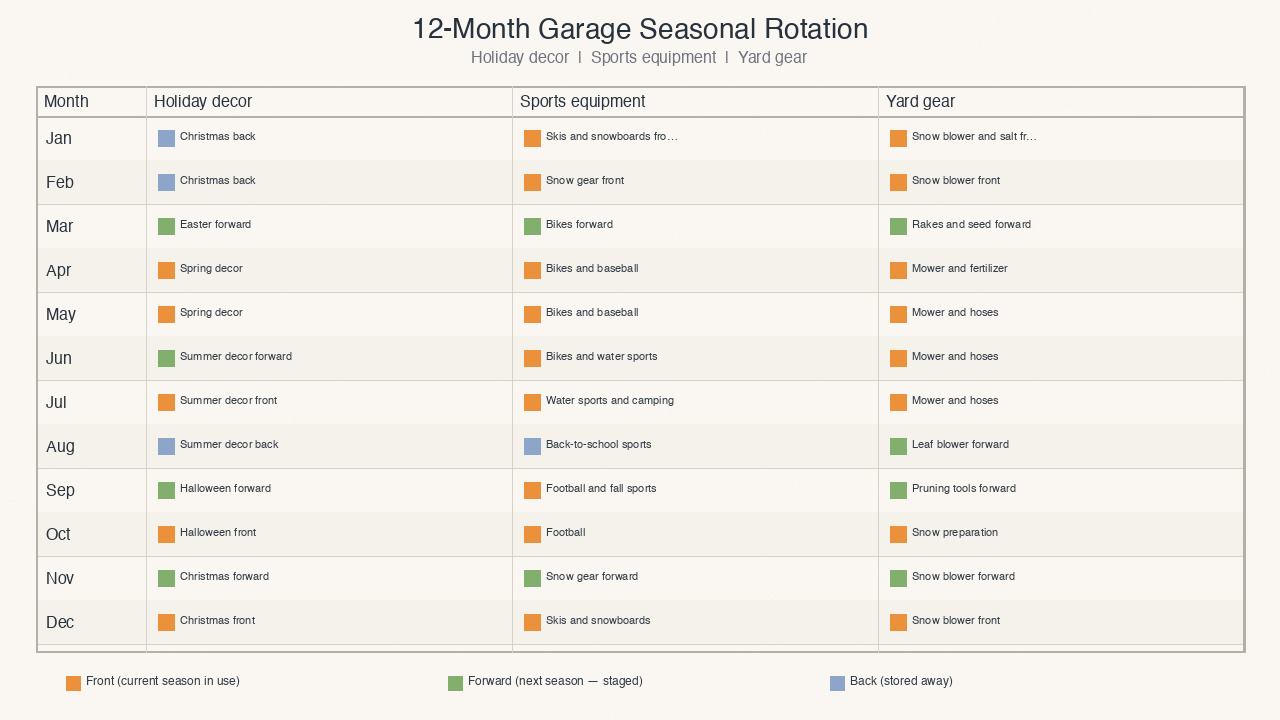
12-Month Rotation Calendar
| Month | Holiday decor | Sports equipment | Yard gear |
|---|---|---|---|
| Jan | Christmas back | Skis and snowboards front | Snow blower and salt front |
| Feb | Christmas back | Snow gear front | Snow blower front |
| Mar | Easter forward | Bikes forward | Rakes and seed forward |
| Apr | Spring decor | Bikes and baseball | Mower and fertilizer |
| May | Spring decor | Bikes and baseball | Mower and hoses |
| Jun | Summer decor forward | Bikes and water sports | Mower and hoses |
| Jul | Summer decor front | Water sports and camping | Mower and hoses |
| Aug | Summer decor back | Back-to-school sports | Leaf blower forward |
| Sep | Halloween forward | Football and fall sports | Pruning tools forward |
| Oct | Halloween front | Football | Snow preparation |
| Nov | Christmas forward | Snow gear forward | Snow blower forward |
| Dec | Christmas front | Skis and snowboards | Snow blower front |
Calendar at a glance
Storage by Gear Type
Holiday Decor
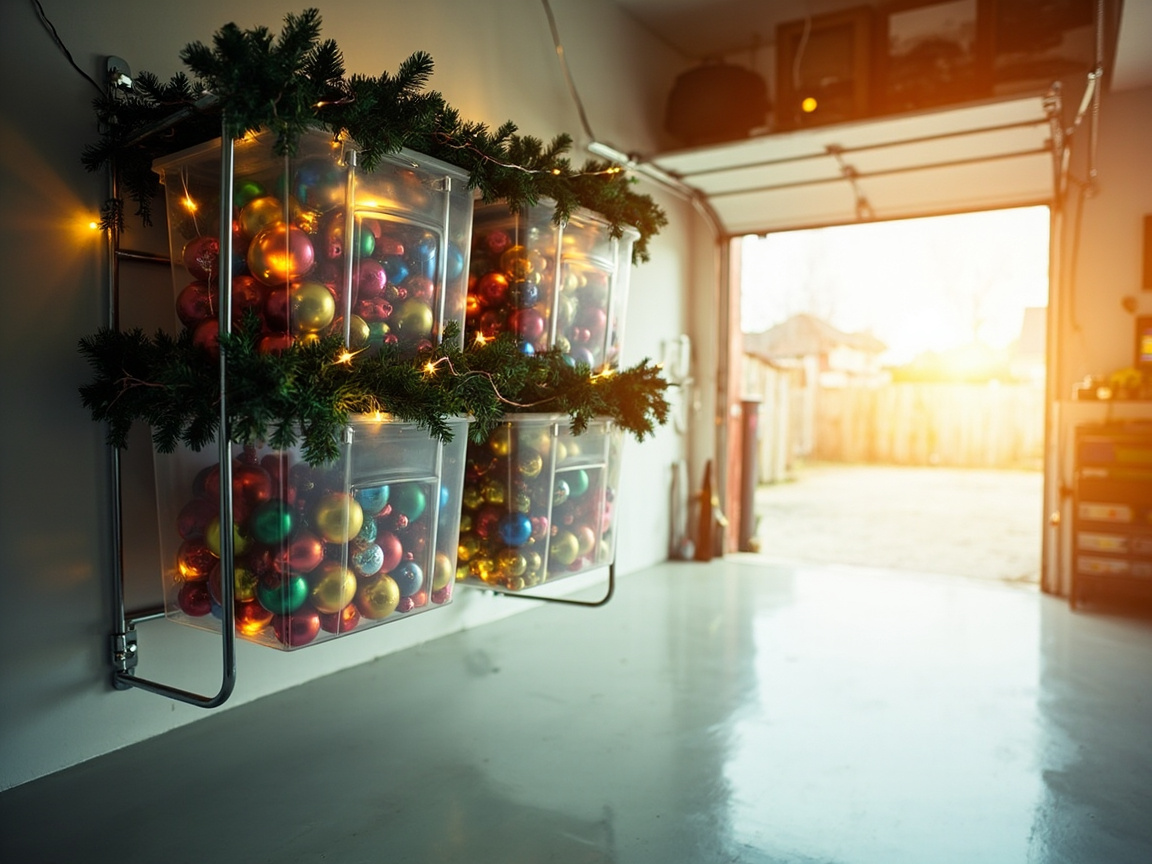
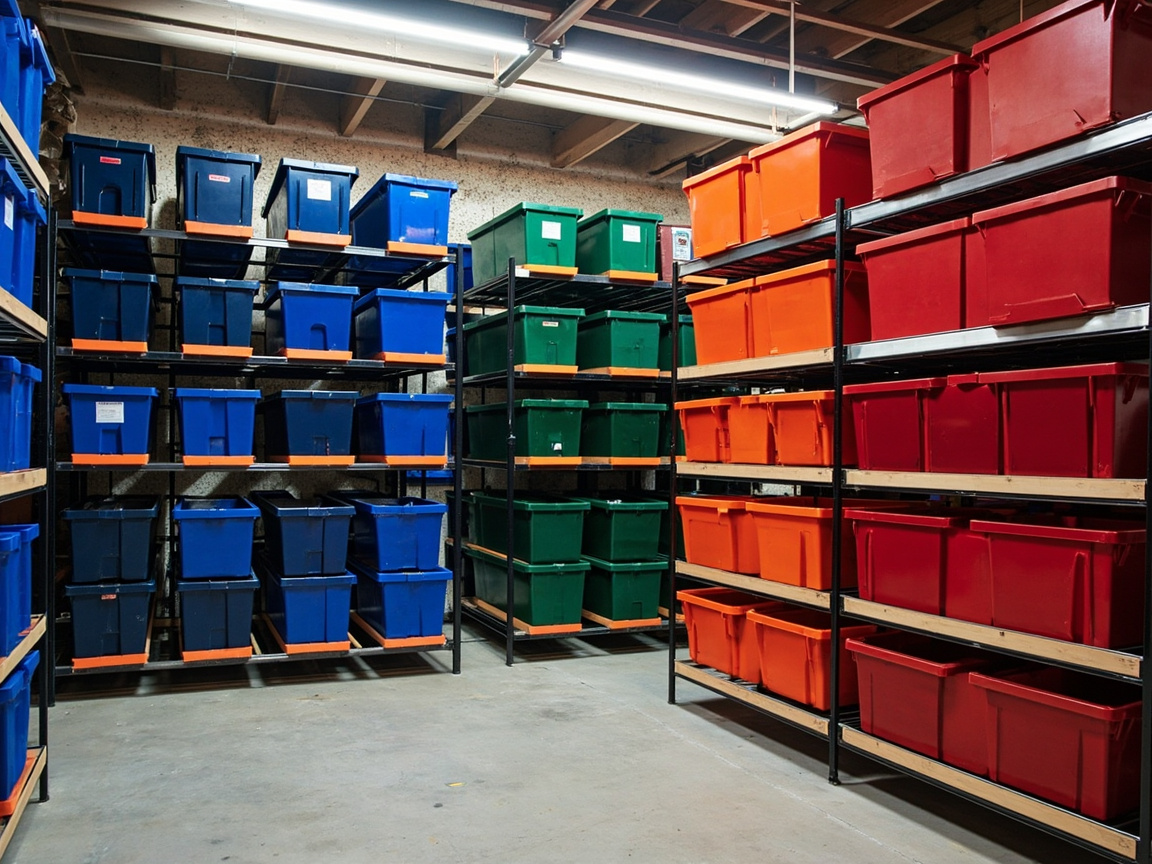
Use the IRIS USA clear bins for ornaments, garlands, and tree toppers. Pair them with the Akro-Mils drawer cabinet for bulbs and hooks. A HORUSDY wall bin rack keeps small decor visible. Put bins on the FLEXIMOUNTS wall shelf at eye height, never on concrete.
Holiday decor visual
Sports Equipment
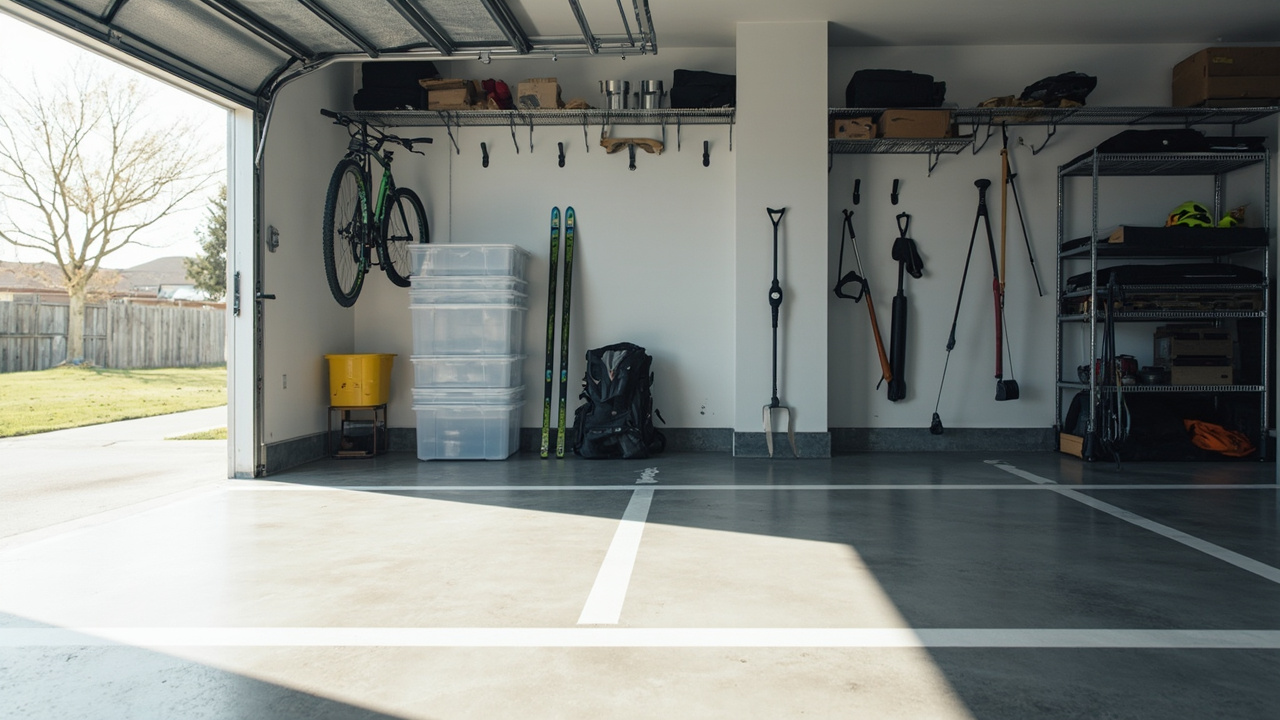
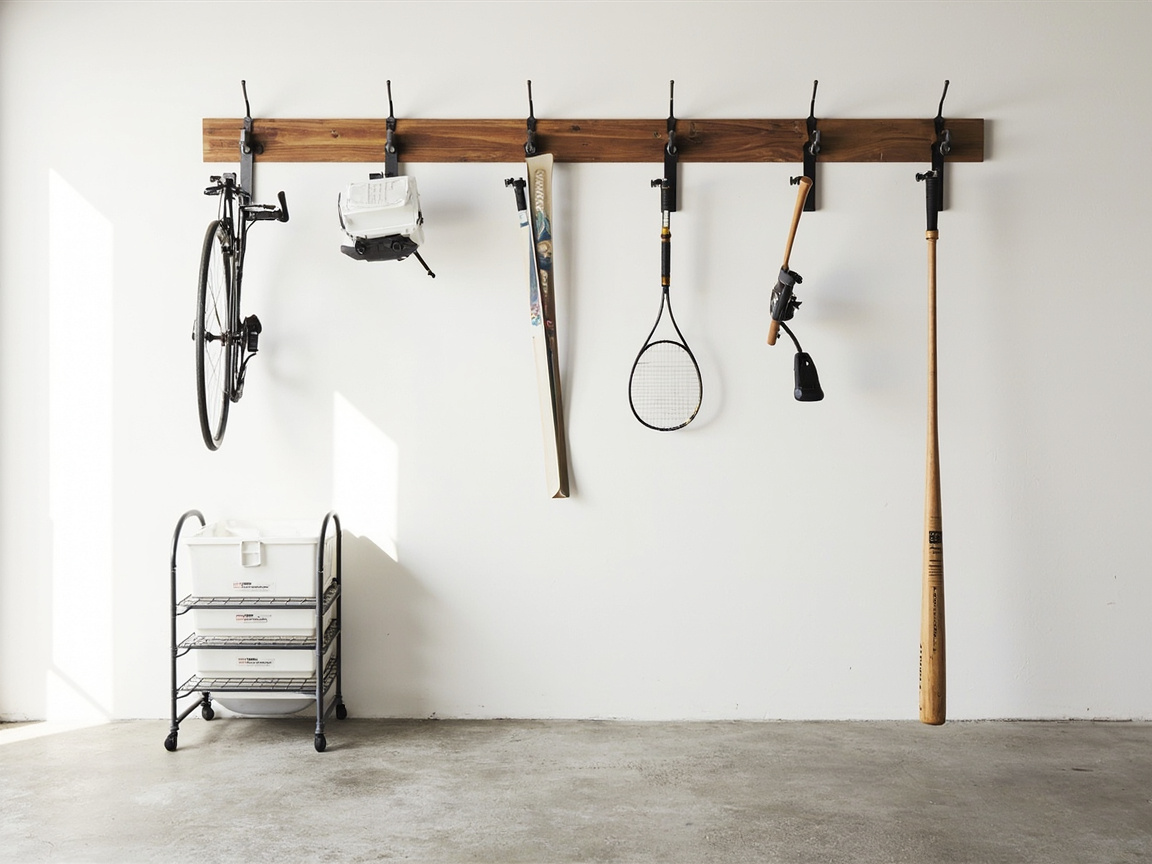
Wall hooks are the fastest way to clear a vehicle bay. The Naikozmo ladder hooks hold bikes, skis, rods, and rackets. Hang bikes by the front wheel only if the hook and rim are rated for that use; follow the product instructions. Store off-season gear on the Sakugi five-tier shelf at a low reach.
Sports equipment visual
Yard Tools
Mount the FLEXIMOUNTS heavy-duty shelving around hip height for hoses, tool cases, and seasonal accessories. Use the Sterilite 12-gallon industrial tote 6-pack for soil and small attachments. Don’t store fuel or propane in a sealed garage tote.
What NOT to Store in Your Garage
Propane and combustible items
Propane tanks belong outdoors in a stable, ventilated location that follows local fire guidance. Paint, aerosols, fuel, and other chemicals also need temperature-appropriate storage; heat cycles can raise pressure or ruin the contents.
Food, batteries, and regulated items
Food attracts rodents and spoils. Loose lithium batteries should stay in a dry, climate-controlled location away from metal contact. Firearms and ammunition require locked storage under local law. If you’re uncertain, ask the fire department or a qualified storage professional before moving an item.
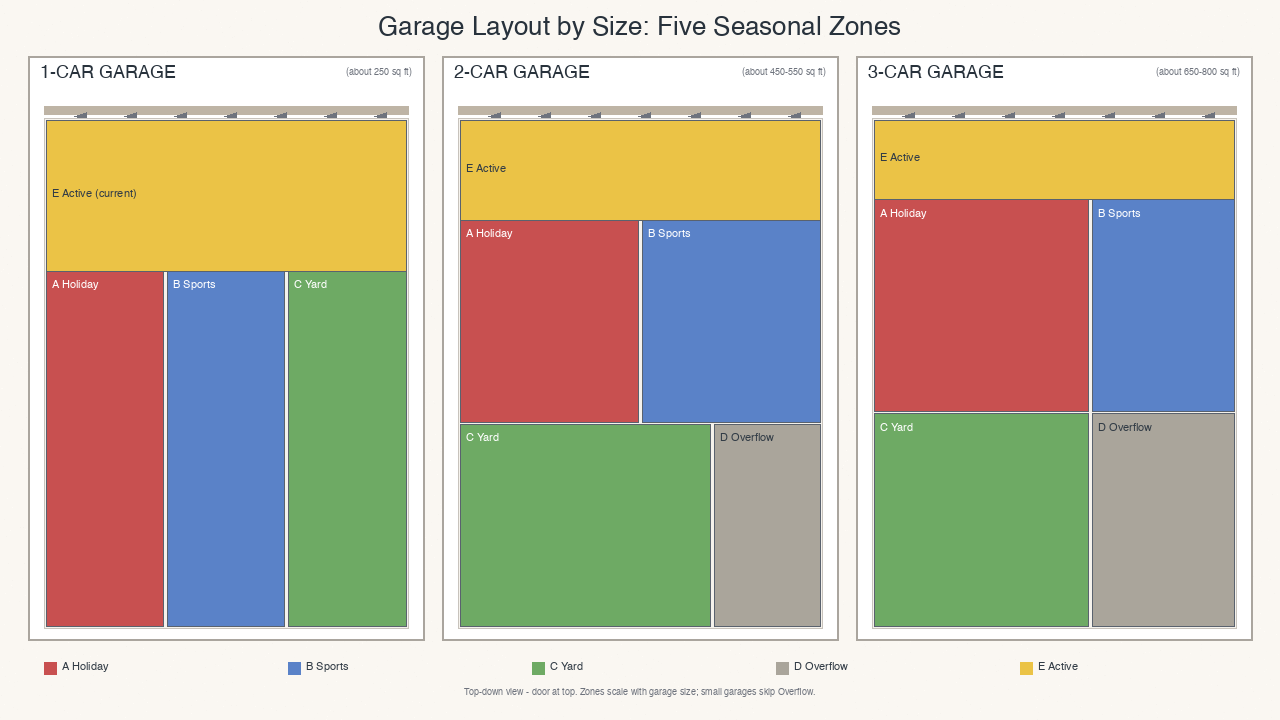
Layout by Garage Size
1-Car Garage (about 250 sq ft)
Keep the active-season zone nearest the entry and use the Naikozmo hooks for sports gear. A Sakugi shelf handles the off-season stack. Skip Overflow; send long-tail camping gear to an approved shed.
2-Car Garage (about 450–550 sq ft)
Give each gear type a wall or shelf bay. The FLEXIMOUNTS shelves can carry the heavy yard zone, while clear bins stay at eye level. Leave the vehicle-door swing and walking lane unblocked.
3-Car Garage (about 650–800 sq ft)
Create a fifth Overflow zone, but cap it at one shelf bay. Put rarely used holiday pieces behind a labeled front row and reserve the nearest wall for current sports and yard gear. The garage storage solutions guide can help assign each storage type.
Zone layout diagram
Constraint Guide by Scenario
If you rent
Don’t drill until the landlord approves it. Use the Sakugi freestanding shelf for bins and a portable rack for sports gear. The IRIS clear bins still keep rotation visible.
If your budget is under $100
Start with the Naikozmo hooks and HORUSDY wall bins. Together they cover small parts and bulky sports gear before you add shelving.
If the garage is unheated
Raise containers and avoid temperature-sensitive contents. The Sterilite 12-gallon industrial tote 6-pack protects yard accessories, while IRIS clear bins keep decor easy to audit.
If several people share the garage
Assign each zone a color and each household member a return rule. Use Akro-Mils drawers for small shared parts and Naikozmo hooks for individual sports gear.
What You’ll Need
Buy in sequence, not all at once: labels and a tape measure first, then the storage that matches your map. A storage-bin selection guide helps compare clear and opaque containers. For wall equipment, use hooks and racks guidance. Read load limits and fastener instructions before installation.
Family Coordination
Hold the quarterly reset as a shared swap day. One person owns the zone map; everyone else returns gear to the lettered bay. Color-coded labels help children find their sports gear without opening every bin. If a category outgrows its zone twice, purge or redesign the zone instead of adding an untracked pile. An entryway family reset routine uses the same ownership idea in a smaller space.
Common Mistakes
- Buying bins before measuring. Measure shelf depth, door swing, and vehicle clearance first.
- Putting heavy gear overhead. Keep bulky or liquid-free items at hip height where possible.
- Skipping labels. A clear bin still needs a category and season label.
- Treating Overflow as permanent. Review it at every quarterly reset and remove duplicates.
- Blocking the safety path. Keep electrical panels, doors, and the vehicle route accessible.
Maintenance Rhythm
The five-minute weekly check
Start at the garage entry and walk clockwise. Return one item to each zone, glance beneath the lowest shelf, and check that the vehicle path is clear. Don’t turn this into a cleaning project. The point is to catch drift while the correction is still one or two items. If you see damp cardboard, move its contents into a raised plastic container and inspect the wall for a leak.
The quarterly audit
During each seasonal reset, open one container from every zone. Confirm the label still matches the contents, discard broken seasonal pieces, and check that lids close fully. Test sports straps and inspect shelf brackets for movement. A quick photograph after the audit gives the family a shared reference, so nobody has to guess whether a bin belongs in Zone A or Zone D.
When the map needs changing
A zone map isn’t permanent. Change it when a category takes more than one full bay, when a vehicle no longer clears the active zone, or when a family member can’t return equipment without help. Move the highest-use category closest to the door, then compress rarely used items into the back of the same zone. Keep the calendar dates; only the physical addresses change.
Rotation Notes by Climate
Humid or coastal garages
Humidity changes the storage decision. Use lidded plastic containers rather than cardboard, leave a little air around the shelf, and inspect metal fasteners at every quarterly reset. Keep textiles in clean, dry bins and let damp sports equipment dry outside before it returns to Zone B. If concrete regularly looks wet, solve the moisture source before adding more storage. A raised shelf protects gear, but it doesn’t repair a leak.
Cold-weather garages
Cold itself is manageable for plastic, metal, and outdoor tools, but rapid temperature swings create condensation. Bring delicate electronics, adhesives, paint, food, and loose batteries indoors. Let a frozen bin warm gradually before opening it, then wipe any condensation before stacking it. In spring, check snow tools for rust and inspect hose fittings after the first warm week.
Families with changing schedules
A calendar should reflect how your household actually uses the garage. If one child switches from hockey to baseball in March, move that equipment during the March reset rather than waiting for a perfect weekend. Put a simple month card beside the map: current zone, next zone, and the two items that move first. The card makes the system understandable even when the person who created it isn’t home.
The handoff rule
Every item needs a home, a label, and a next-use season. When you finish a project, return tools before starting the swap. When you borrow sports gear, leave a note in the empty spot. These small rules prevent the familiar cycle where an organized garage slowly becomes a second attic. We keep the process short so the system survives busy months.
Before You Buy Another Container
Measure the shelf depth, the garage-door track, the vehicle mirrors, and the walking lane. Then count what you own by category. You may need fewer containers after a repair and donation pass. For the remaining items, match the container to the handling problem: clear bins for visual checks, drawers for small parts, hooks for long gear, and heavy shelving for bulky loads. A container that fits the shelf but blocks a door isn’t a solution.
Related
Read the garage overhead storage guide, garage cabinet storage guide, or garage floor shelving guide for deeper storage decisions.
Key Takeaways
- Map five zones once and reset them four times a year.
- Keep holiday, sports, and yard gear in separate labeled homes.
- Raise bins off concrete and keep heavy items at hip height.
- Never store propane, paint, food, aerosols, or loose lithium batteries in an unconditioned garage.
- Set calendar reminders so the rotation happens before the season, not after it.