
Why Garage Organization Matters
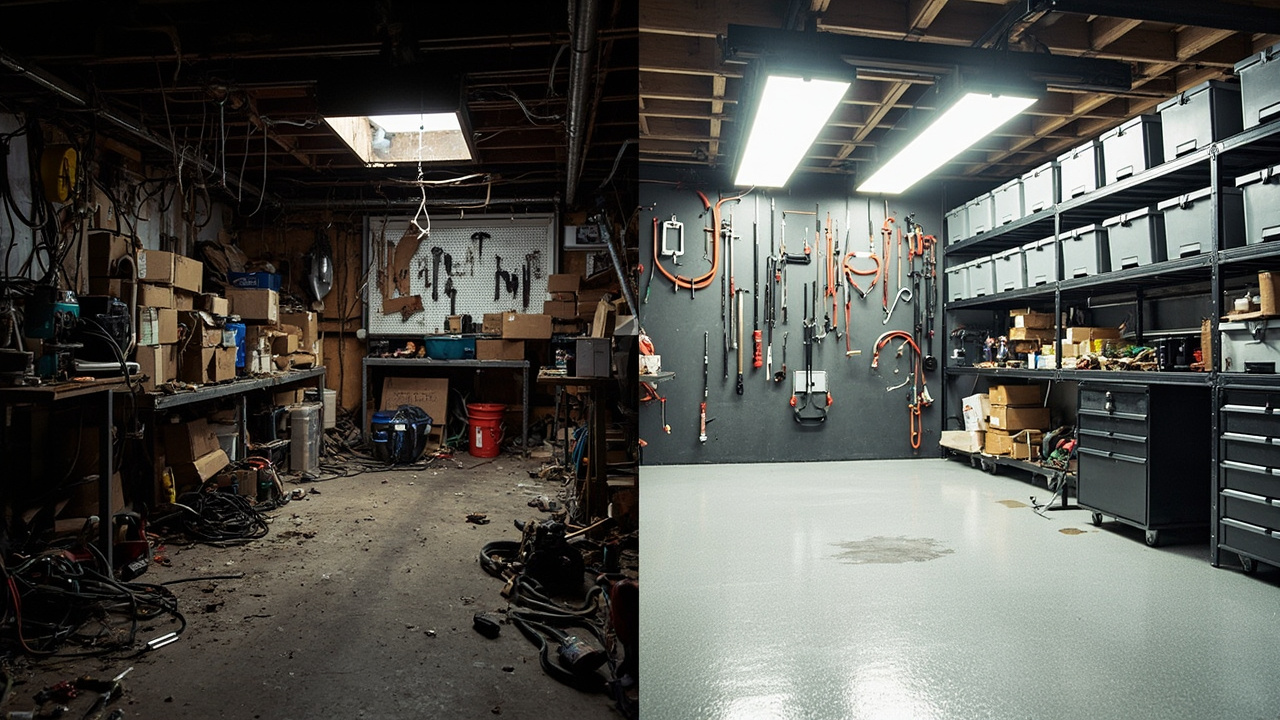
The average American garage holds $6,000+ worth of items, yet 25% of homeowners can’t fit a car inside. Tools disappear into piles, seasonal decorations bury camping gear, and tripping over a rake becomes a weekly event. If you’ve spent 20 minutes looking for a screwdriver you know the pain.
The fix isn’t buying more bins. It’s a zone-based system that assigns every item a home based on how often you use it and how much space it eats. Before buying anything, apply the ABC declutter method to decide what stays, or use the declutter-before-moving checklist if you’re clearing out before a house sale. Once you’ve purged, a 5-zone system transforms the garage from a dumping ground into a functional workspace.
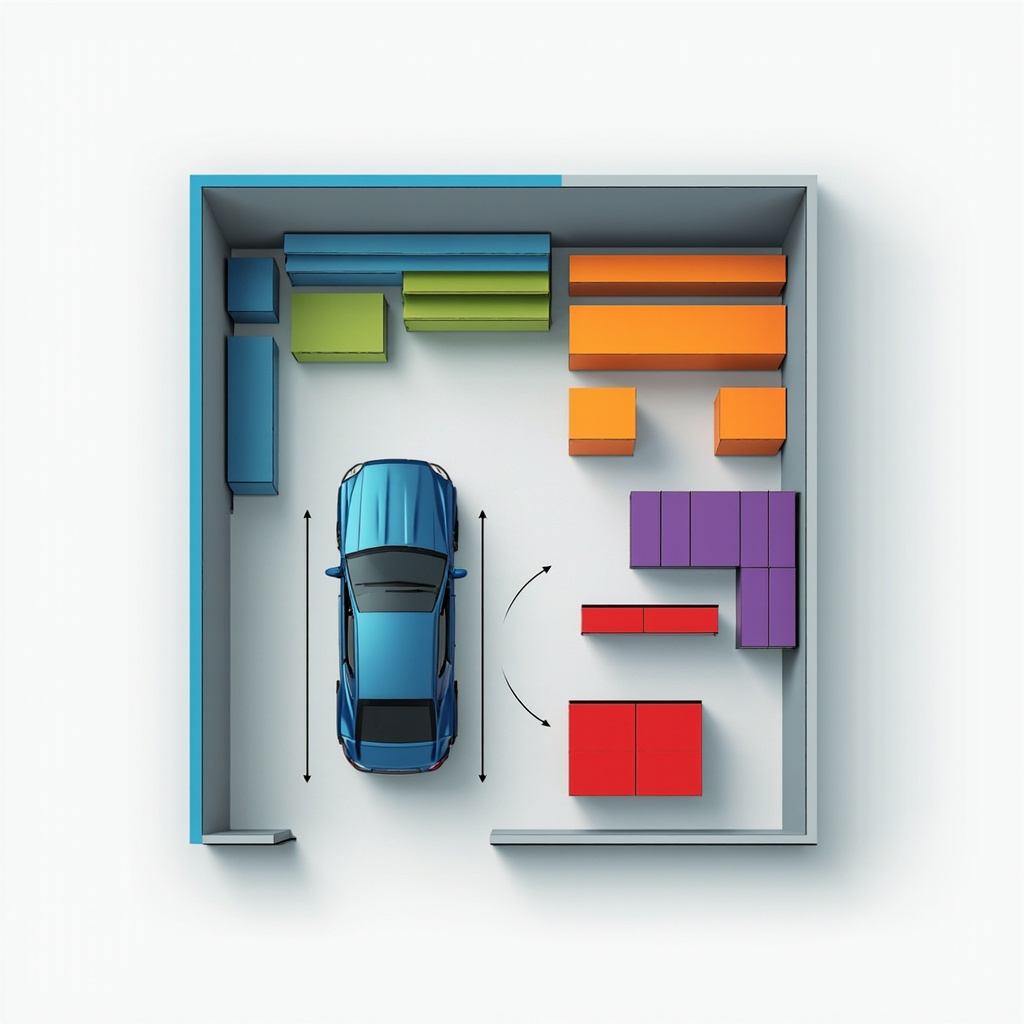
The 5-Zone Garage System
Garage organization works when you stop thinking in square feet and start thinking in cubic feet. The principle: vertical first, overhead second, floor last. Most people waste 100+ cubic feet of wall and ceiling space while tripping over floor clutter.
The 5 zones are Wall Storage (tools, cords, ladders), Overhead Storage (seasonal bins, camping gear), Floor and Freestanding Shelving (heavy items, bulk storage), Cabinet Storage (chemicals, paint, small parts), and Tool Bench (workspace for repairs and projects). Each zone serves a different access frequency, from daily (wall) to twice-yearly (overhead).
This approach mirrors the 5S Method for Home (Sort, Set in Order, Shine, Standardize, Sustain) and the zone cleaning method that breaks large spaces into manageable sections. The difference is that garage zones are organized by storage type, not cleaning sequence.
Zone 1 - Wall Storage Systems
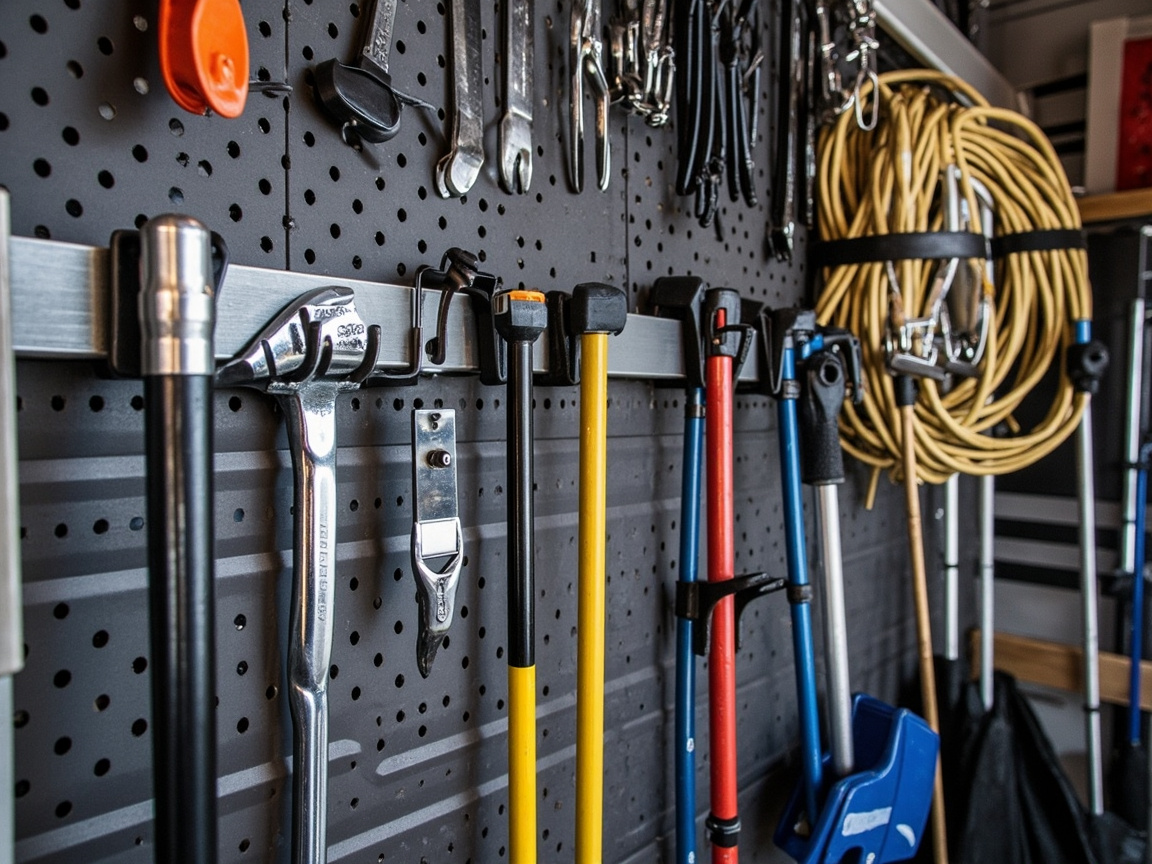
Wall storage comes first because it keeps the floor clear, makes tools visible, and uses space that’s otherwise wasted. Three types cover most needs: pegboard for hand tools, track rails for long-handled tools, and hooks for ladders and bikes.
Pegboard vs Track System
Pegboard panels work for hand tools: hammers, screwdrivers, wrenches, pliers. You can rearrange hooks as your collection changes, and everything stays visible. A 4-panel metal set like the Spampur Pegboard System ($69.95) includes 50 hooks and handles most hand tool collections.
Track or rail systems are better for long-handled tools: shovels, rakes, brooms, and edgers. A 48-inch rail with double-layer hooks holds 6-15 tools depending on handle thickness. The hybrid approach (pegboard for hand tools + track for long tools) gives you a complete wall system for under $70.
Tool Organizer Wall Mount
A 48-inch rail system like the PIYILO Wall Tool Organizer ($29.97) includes 6 double-layer hooks and handles long-handled tools up to 50 lbs per hook. Installation requires finding wall studs and using lag bolts, not drywall anchors. Drywall anchors hold 10-30 lbs, but a loaded track system with 10 tools can hit 100+ lbs. Always use 3/8” lag bolts driven into studs.
Cord and Hose Management
Extension cords, garden hoses, and power tool cords create tripping hazards when left on the floor. Heavy-duty straps like the ZTSXLLIM Cord Holder Straps ($8.99 for a 4-pack) mount to the wall and keep cords coiled and off the ground. For hoses, a wall-mounted hook works better than a strap because hoses are wider and heavier.
Alternative Wall Organizer
For heavier tool collections or multiple bikes, the klasit 48” Wall Organizer ($35.99) carries 675 lbs across a 15-pack hook set. It’s built for garages with 8+ long-handled tools, ladders, and bicycles on the same wall. The wider mounting plate distributes weight across more studs than single-rail systems.
Zone 2 - Overhead Storage
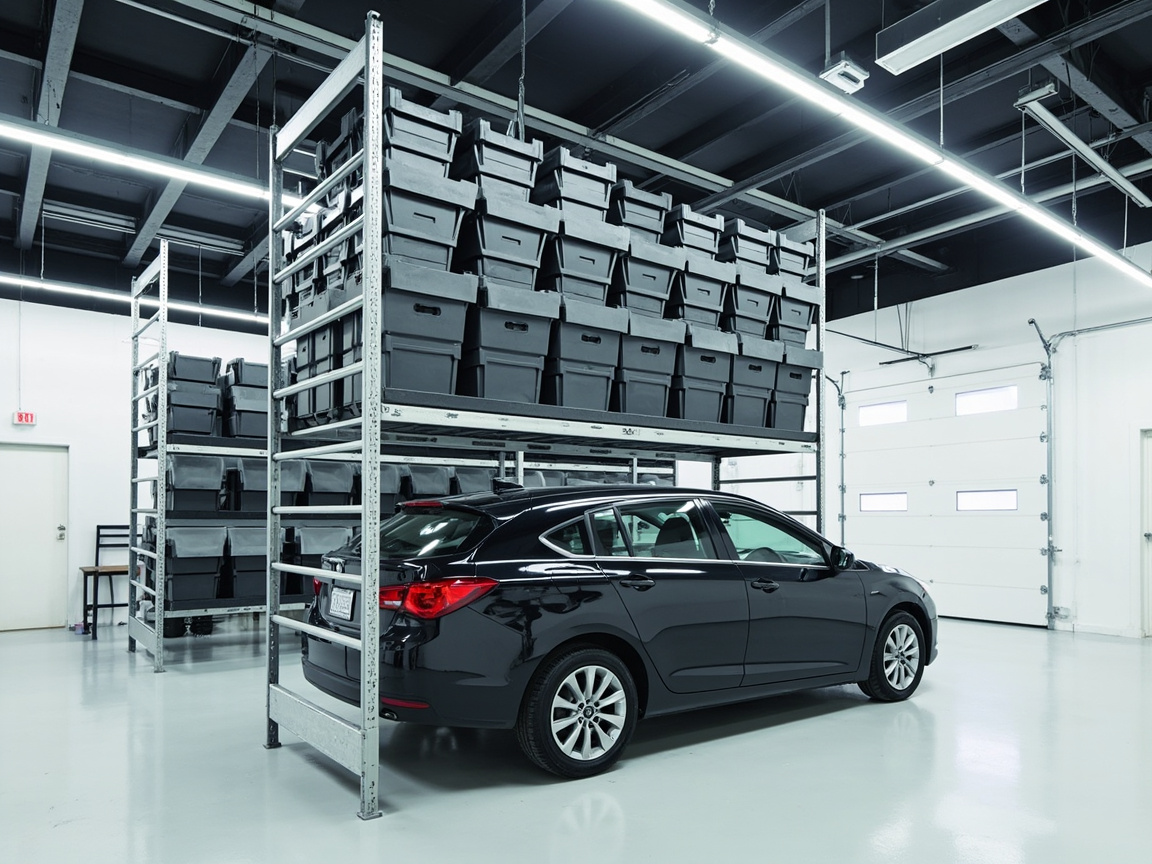
Overhead storage uses dead space above car height. A 4x8 foot rack adds 32 cubic feet of storage without touching your floor plan. This is where seasonal bins, camping equipment, and luggage live when they’re not in use.
Weight Capacity and Installation
Overhead racks come in two standard sizes. A 4x8 ft rack holds 750 lbs and fits a standard 2-car garage with 8-foot ceilings (rack hangs 24-33 inches from ceiling, leaving 5+ feet of clearance). A 3x6 ft rack holds 450 lbs and works better for 1-car garages or low ceilings.
Installation requires hitting ceiling joists with 3/8” lag bolts minimum. You can install solo, but a second person makes lifting the rack into place much easier. Check that your ceiling can support the combined weight of the rack (40-60 lbs) plus the load you plan to store.
What to Store Overhead
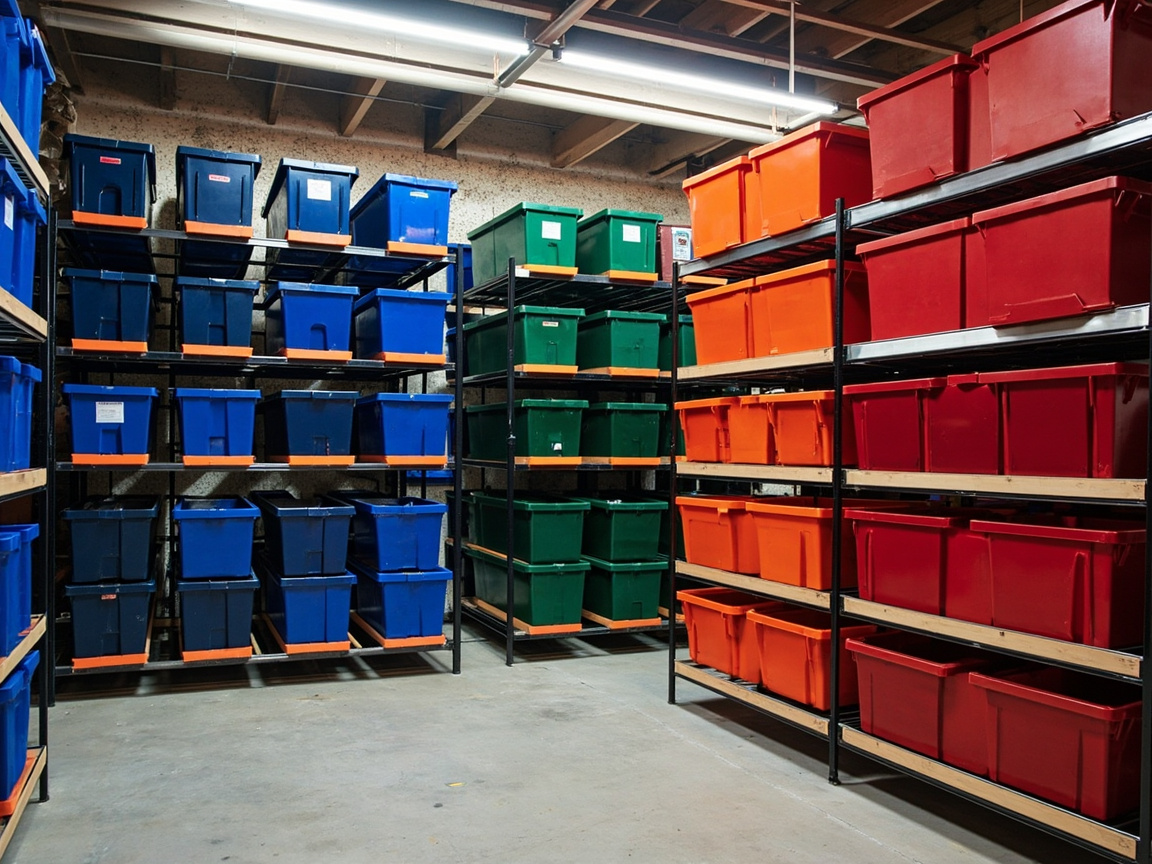
Store seasonal bins (holiday decor, winter gear), camping equipment, luggage, and roof rack boxes overhead. Label everything with color-coded tape: blue for winter, green for spring, orange for fall, red for holiday.
Don’t store anything you need weekly (access requires a step ladder), flammable liquids (heat rises), or fragile items. For the seasonal rotation methodology, the seasonal closet rotation guide walks through a twice-yearly swap system that applies to garage storage too.
Overhead Rack Recommendations
The FLEXIMOUNTS 4x8 Overhead Rack ($145.98, 750 lbs capacity) is the premium pick for full-size 2-car garages. For smaller spaces or lower ceilings, the FLEXIMOUNTS 3x6 Overhead Rack ($115.98, 450 lbs capacity) provides the same function in a compact footprint.
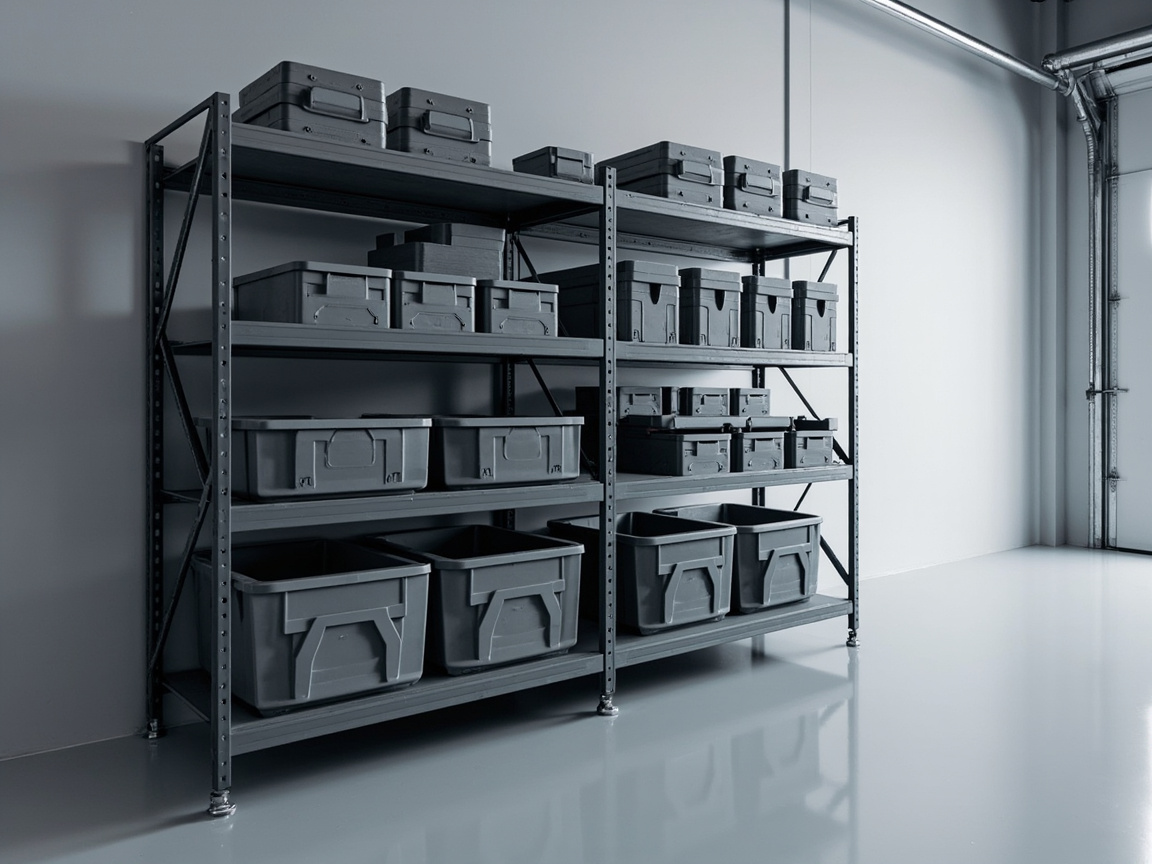
Zone 3 - Floor and Freestanding Shelving
Wall and overhead storage have limits. Some items need ground-level access: heavy bins, car care products, bulk purchases, and power tools. Floor shelving handles these without wasting vertical space.
Metal vs Wire Shelving
Metal shelving wins for garages. A 71-inch tall, 5-tier unit like the REIBII 5-Tier 1200LBS Metal Shelving ($69.95) gives you 15.7-inch deep shelves that hold heavy bins and power tools. Wire shelving is lighter and more ventilated, but lower weight capacity means you can’t stack paint cans or tool batteries on every shelf.
For choosing the right shelving system for your space, the shelf organizers guide breaks down weight ratings, depth, and adjustability factors.
Freestanding Tool Organizer
A freestanding tool stand like the Sttoraboks 35-Tool Stand Organizer ($39.06) holds 35+ tools without a single wall mount. It’s the go-to for renters, finished garage walls, or anyone who wants to rearrange their layout without patching holes. No drilling required, and you can move it anywhere.
Weight Ratings and Safety
Check per-shelf weight limits before loading. Metal shelving typically rates 200-400 lbs per shelf. Distribute weight evenly with heaviest items on bottom shelves to prevent tipping. Secure tall shelving to the wall with anti-tip brackets. Never exceed the rated capacity, and don’t stack heavy items above shoulder height unless the shelf is anchored.
Zone 4 - Cabinet Storage
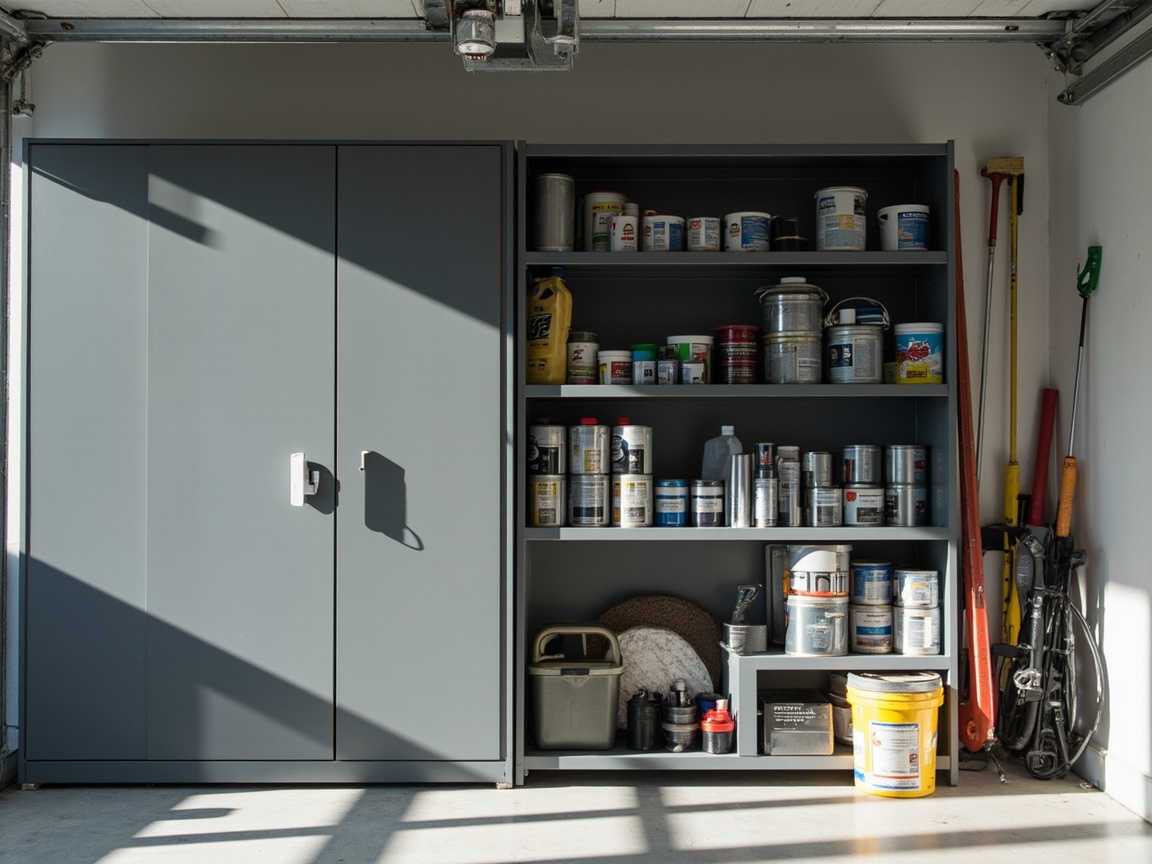
Cabinets keep dangerous items away from kids, protect contents from dust, and give the garage a finished look. You don’t need a full wall of cabinets, but at least one lockable unit is worth the investment.
Lockable vs Open Storage
Lockable cabinets are non-negotiable for chemicals, pesticides, power tool batteries, and sharp tools. If children have access to the garage, lock everything hazardous. Open shelving works for sports equipment, bulky items, and cleaning supplies that aren’t dangerous.
What to Store in Cabinets
Store paint, solvents, fertilizers, pesticides, car care products, and power tool batteries in closed cabinets. Don’t store propane tanks (fire risk), perishable food (pests), or important documents (humidity) in the garage at all. For a room-by-room safety checklist approach, the bedroom declutter checklist demonstrates how to audit each zone systematically. For selecting the right storage bins for cabinet interiors, the storage bins guide covers size, material, and lid options.
Small Parts Organization
Hardware sorting (nails, screws, bolts, washers) needs labeled bins or drawer dividers. Transparent bins let you see contents without opening each one. The clear bins vs opaque bins comparison explains when visibility matters and when it doesn’t. For garage use, clear bins win for frequently-accessed hardware because you’ll grab what you need without opening 5 containers.
Zone 5 - Tool Bench and Workstation
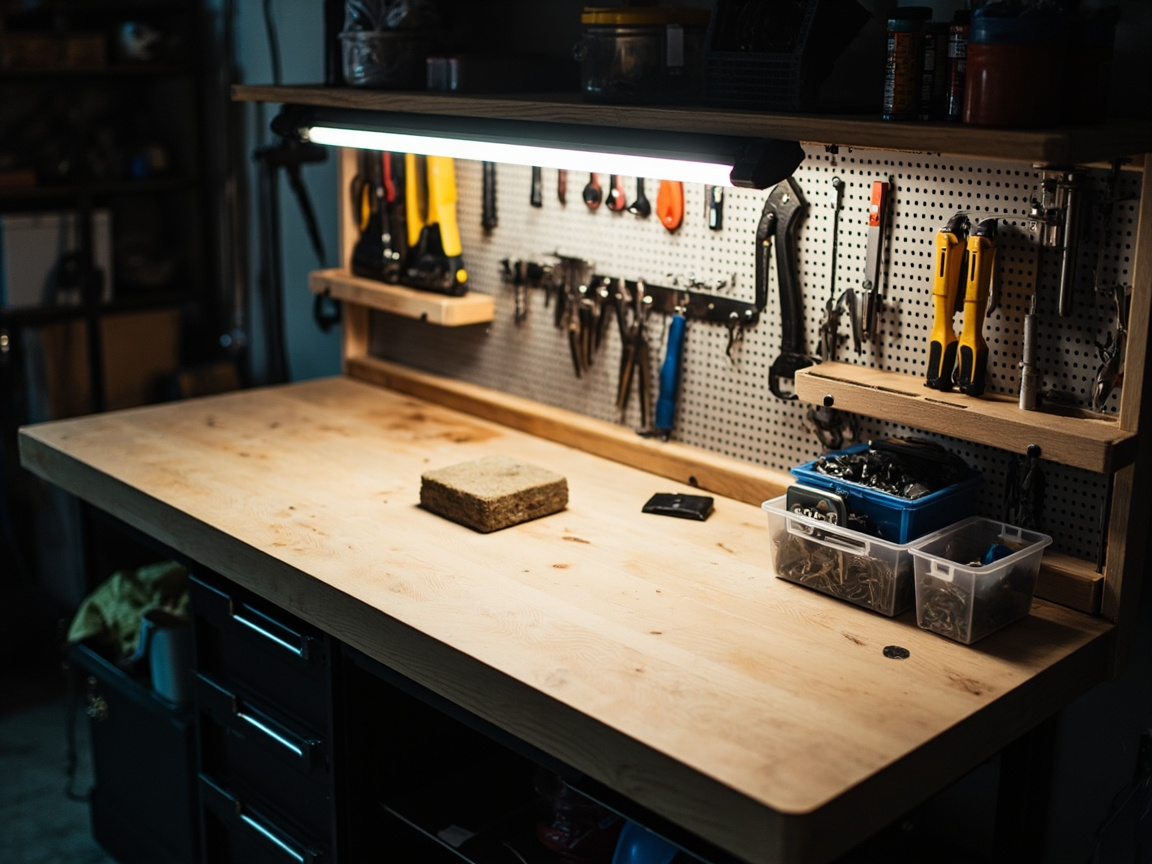
A dedicated workbench separates your workspace from storage. Without one, every repair happens on the floor or on top of piled bins. Even a 4-foot fold-down bench creates a functional repair zone.
Workbench Organization
Mount pegboard backing above the bench for frequently-used hand tools. Add drawer organizers for screwdrivers, wrenches, and pliers. A magnetic strip holds metal tools (hammers, chisels, measuring tapes) within arm’s reach. Task lighting matters too: an LED strip or adjustable lamp prevents eye strain during detailed work.
Small Tool Storage
Three approaches cover most budgets. The budget approach is pegboard with labeled hooks ($40). Mid-range is a rolling tool chest with drawers ($100-200) that moves with you around the garage. The full setup combines pegboard above the bench, a chest below, and labeled bins for hardware. For choosing hooks and racks for vertical storage, the hooks and racks guide covers weight ratings and mounting options.
Seasonal Item Rotation
Garages hold seasonal items for all four seasons, which means half your stuff is always in the wrong place. A twice-yearly rotation fixes this.
In March-April, bring gardening tools, bikes, and camping gear down from overhead storage. Move holiday decor and winter sports gear up. In September-October, reverse the swap: snow shovels and holiday decor come down, summer sports gear goes up.
This mirrors the seasonal closet rotation system. For ongoing maintenance between swaps, the declutter maintenance routine covers daily 5-minute check-ins and weekly sweeps. The FlyLady method can also help, treating the garage as one of its 31 zones.
Seasonal Storage Calendar
- March-April: Spring swap. Winter gear goes up, summer gear comes down.
- September-October: Fall swap. Summer gear goes up, winter gear comes down.
- Monthly: Check for items that have accumulated on the workbench and return them to their assigned zone.
Use color-coded tape on bins: blue for winter, green for spring, orange for fall, red for holiday.
Garage Safety Basics
5 Things Never to Store in Your Garage
- Propane tanks (fire and explosion risk)
- Paint (temperature fluctuations ruin consistency)
- Perishable food (pests and temperature swings)
- Electronics (moisture damage)
- Important documents (humidity and pests)
Fire Safety and Ventilation
Keep a fire extinguisher visible and accessible, not buried behind bins. Never store flammable liquids near a water heater or furnace. If the garage is attached to the house, install a carbon monoxide detector. Keep the electrical panel accessible with 3 feet of clearance. These safety tips align with guidance from This Old House’s garage safety research.
Constraint Guide
Rental-Friendly (No Drilling)
If you can’t drill into walls, freestanding is your only option. The Sttoraboks tool stand ($39.06) holds 35 tools without a single screw. Add freestanding metal shelving like the REIBII 5-Tier Metal Shelving ($69.95) for bins and heavy items. Command hooks handle lightweight items under 5 lbs. Total budget: $80-120 for a complete no-drill system. For more budget-friendly ideas, see the frugal home organization guide.
Budget Under $100
You can build a functional garage system for $79. One PIYILO wall organizer ($29.97) + one REIBII Metal Shelving ($69.95) + one ZTSXLLIM cord strap pack ($8.99) = $78.95. Skip overhead storage (the most expensive single component) and use repurposed containers for small parts. The declutter on a budget guide has more DIY alternatives.
Small 1-Car Garage
When floor space is tight, go vertical. Prioritize wall and overhead storage with zero floor footprint. Use tall shelving (71+ inches) instead of wide units. The FLEXIMOUNTS 3x6 overhead rack ($115.98) fits 1-car garages without blocking car clearance. Pair it with the PIYILO wall organizer ($29.97) to get tools off the floor entirely. A fold-down workbench saves floor space when not in use. The small space decluttering guide covers similar principles for compact areas.
High-Turnover and Frequent Access
If you’re in the garage daily, keep frequently-used items at waist-to-shoulder height on wall systems or open shelves. Use open bins (not lidded) for grab-and-go access. The Spampur pegboard system ($69.95) keeps hand tools visible and accessible. Add the ZTSXLLIM cord straps ($8.99) to keep power cords from tangling on the bench. Label every zone clearly using the labeling system guide.
Common Mistakes
Mistake #1 - Buying Storage Before Decluttering
“I bought $200 of bins and shelves, then realized I was storing junk I should have thrown away.” This is the most common mistake. Declutter first, then buy storage for what remains. Use the declutter-fast method for a one-day purge before spending a dime on organizers.
Mistake #2 - Ignoring Weight Ratings
Overhead racks rated 450 lbs, loaded to 600, will sag and eventually fail. Metal shelving rated 200 lbs per shelf, loaded with 300 lbs of paint cans, will collapse. Check weight ratings before loading. Distribute heaviest items to bottom shelves.
Mistake #3 - Wall-Mounting Into Drywall Only
Drywall anchors hold 10-30 lbs. A track system with 10 tools can weigh 100+ lbs. That’s a pull-out failure waiting to happen. Always find studs and use 3/8” lag bolts minimum. Use a stud finder before drilling.
Mistake #4 - Storing Flammables Near Heat Sources
Gas cans next to a water heater. Paint thinner near a furnace pilot light. These are fire and explosion risks. Store all flammables in a lockable cabinet, away from heat sources and pilot lights.
Mistake #5 - No Zone System
Tools mixed with sports gear, holiday decor, and car supplies creates chaos. “I spent 20 minutes looking for a screwdriver.” Assign every item a zone, label zones, and enforce a return-to-home rule. The system only works if items go back where they belong.
Recommended Products
Here’s a quick reference of all 8 products organized by zone. Each has a 5-param Amazon affiliate link.
Wall Storage Products
| Product | Price | Zone | Best For |
|---|---|---|---|
| PIYILO 48” Wall Tool Organizer | $29.97 | Wall | Long-handled tools (shovels, rakes, brooms) |
| Spampur Pegboard Panel Set | $69.95 | Wall | Hand tools - 4 panels, 50 hooks |
| ZTSXLLIM Cord Holder Straps | $8.99 | Wall | Extension cords and hoses |
| klasit 48” Wall Organizer | $35.99 | Wall | Heavy collections - 675 lbs capacity |
Overhead Storage Products
| Product | Price | Capacity | Best For |
|---|---|---|---|
| FLEXIMOUNTS 4x8 Overhead Rack | $145.98 | 750 lbs | Full-size 2-car garages |
| FLEXIMOUNTS 3x6 Overhead Rack | $115.98 | 450 lbs | 1-car garages or low ceilings |
Floor and Shelving Products
| Product | Price | Best For |
|---|---|---|
| REIBII 5-Tier 1200LBS Metal Shelving 71” H | $69.95 | Heavy-duty 5-tier floor shelving |
| Sttoraboks Tool Stand | $39.06 | Freestanding, rental-friendly, 35 tools |
For more product guides, browse the product guide categories.
Next Steps and Related Guides
Start by decluttering: the declutter-fast method walks through a 4-quadrant system for one-day purging. Learn the KonMari method for category-by-category sorting that works for tools, sports gear, and seasonal items. Maintain your system with the declutter maintenance routine. Need storage bins? See the storage bins guide. For the full home organization approach, start at the Declutter101 home page.