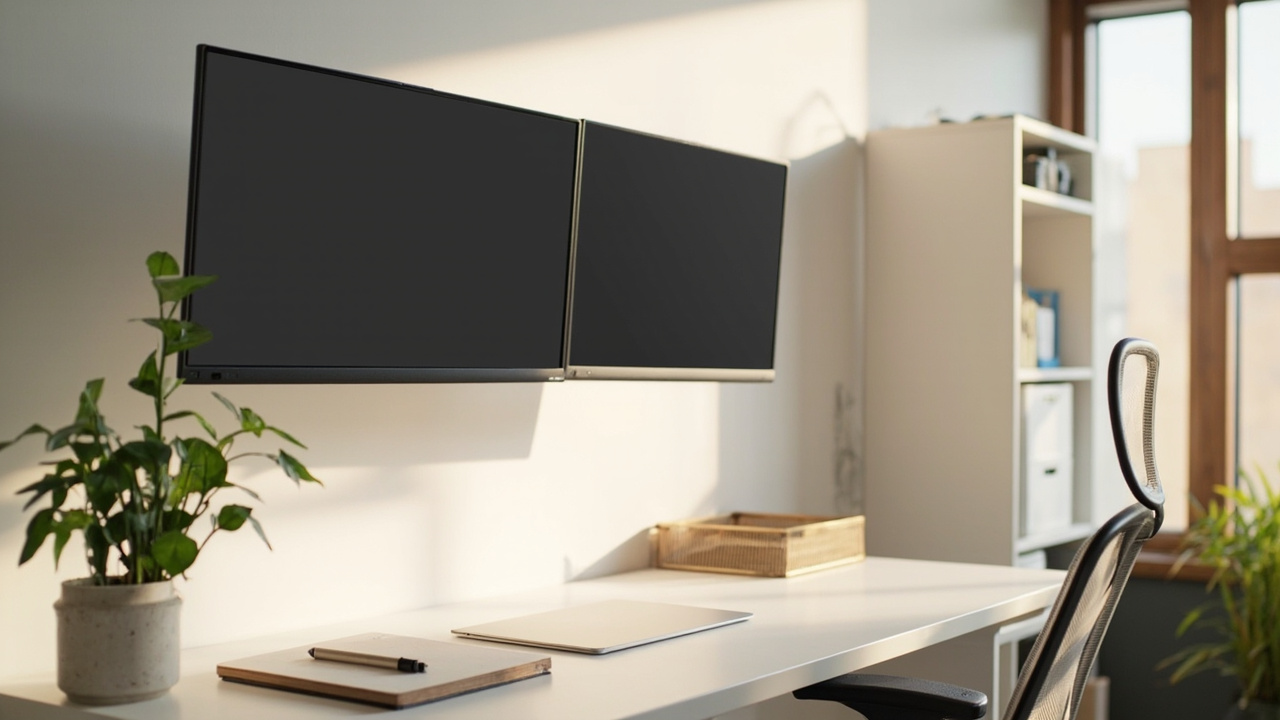
A home office works better when every item has a job and a home. This five-zone system separates the working surface from drawers, papers, vertical storage, and technology. Start with the declutter-fast method, then match the layout to your room instead of buying organizers at random. The 5S method adds a simple reset rhythm.
Why Home Offices Get Messy
Home office clutter usually comes from three different flows landing in one place: work, household administration, and technology. A desk may hold the current project beside unopened mail, a spare charger, and a mug. Because each item feels temporary, nothing gets a permanent home.
The Catch-All Desk
The desk is often the first clear surface people see, so it becomes a drop point for mail, receipts, packages, coffee cups, and devices. A home-office organizing discussion on Reddit describes the familiar problem of putting things behind a closed door without creating a system. Limit the desk to current work and route every other category to a zone. The KonMari method helps: sort by category, not by the object you touch first.
Hidden Cable Chaos
Cables collect behind a desk because each device arrives with its own lead, power brick, and spare cord. A monitor, computer, speakers, lamp, phone, and printer can create several cable paths before you add a surge protector. The result is hard to clean and harder to troubleshoot. A separate Cable and Tech zone gives cords a visible route and a return point, making dead cables easier to remove. A small home-office discussion on Reddit also puts cable control among practical fixes for a tight room.
The Paper Mountain
Bills, forms, notes, receipts, and reference documents don’t share the same deadline, but they often share one pile. That makes urgent action items hard to spot. A Mail and Action station separates incoming paper from documents that need a decision, while an archive holds records you rarely touch. The declutter-fast guide gives you a quick sort before you buy a tray or cabinet.
The 5-Zone Home Office System
A productive home office follows zone logic: assign every item a home, keep daily items within reach, and move everything else to off-surface storage. These five zones cover a desk-based office without requiring a dedicated room. Compare the same idea in kitchen countertop organization and bathroom counter organization.
Zone 1: Desk Surface
Keep this zone for the monitor, keyboard, mouse, one notebook for the current task, and the supplies you use every day. A compact organizer can hold the small items that would otherwise spread across the desk. The gianotter Wood Desk Organizers and Accessories costs $19.99 and combines file sorters, a pen holder, and a drawer. If the practical setup feels visually flat, the KIBAGA Aesthetic Desk Accessories Set costs $22.99 and includes a pen holder, scissors, stapler, and tape dispenser. Choose one system, not both, unless two people share the desk. For drawer planning, see how to choose drawer organizers.

Zone 2: Desk Drawer
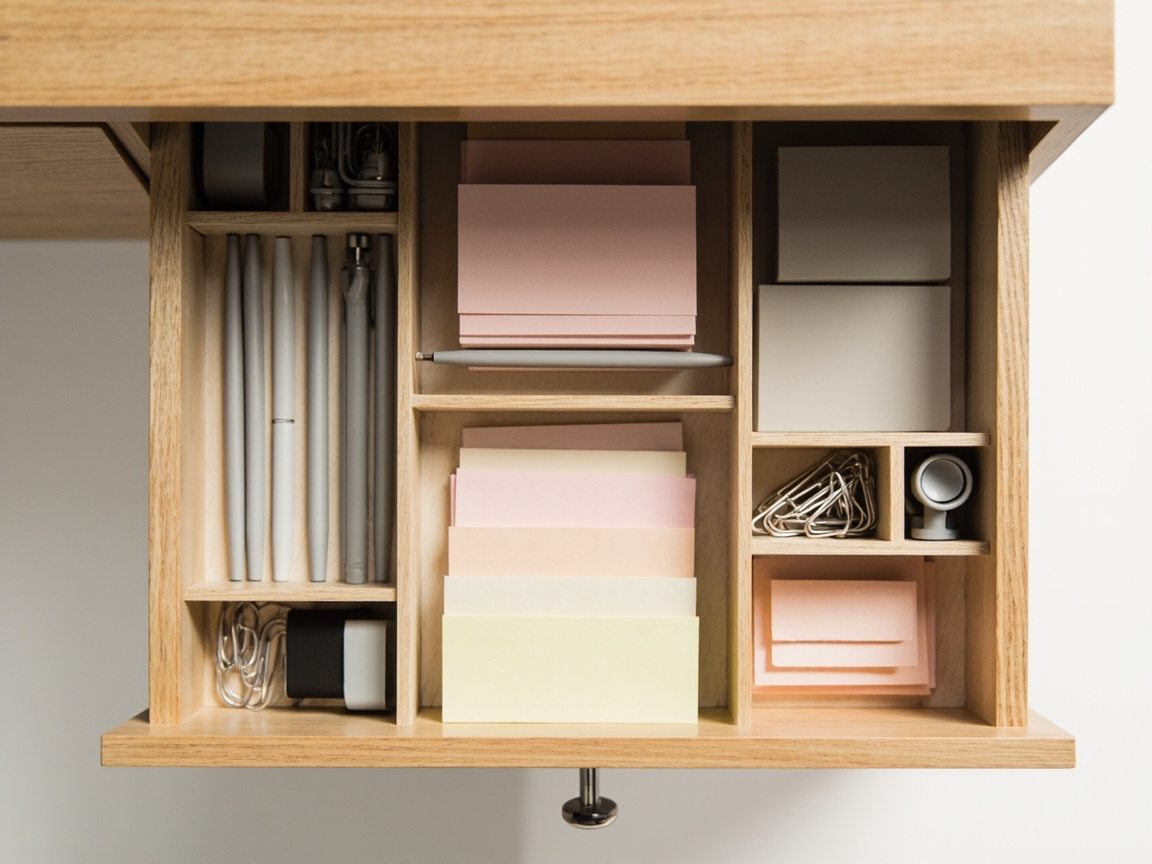
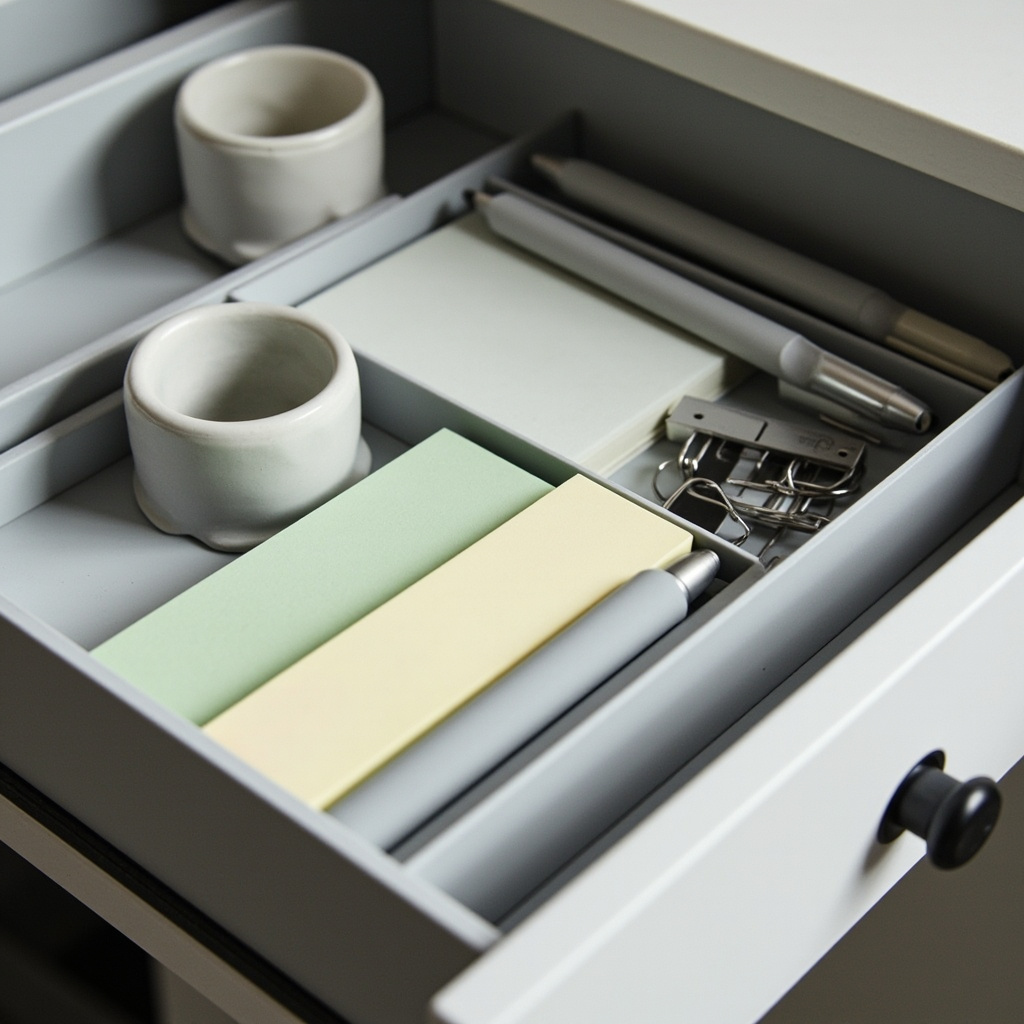
The drawer is for weekly-use supplies: spare pens, sticky notes, paper clips, USB drives, charging leads, and tools you reach for several times a week. Empty it before measuring; a divider needs to fit the usable interior, not the outside width of the desk. The Bofoho Adjustable DIY Drawer Divider costs $13.99 and can be cut to fit. Make long compartments for pens and cables, then smaller ones for clips and adapters. Leave one open section for new supplies so the system can absorb a purchase without collapsing. If a drawer is deep, keep daily items in front and reserve the back for backup stock.
Zone 3: Wall and Vertical Storage
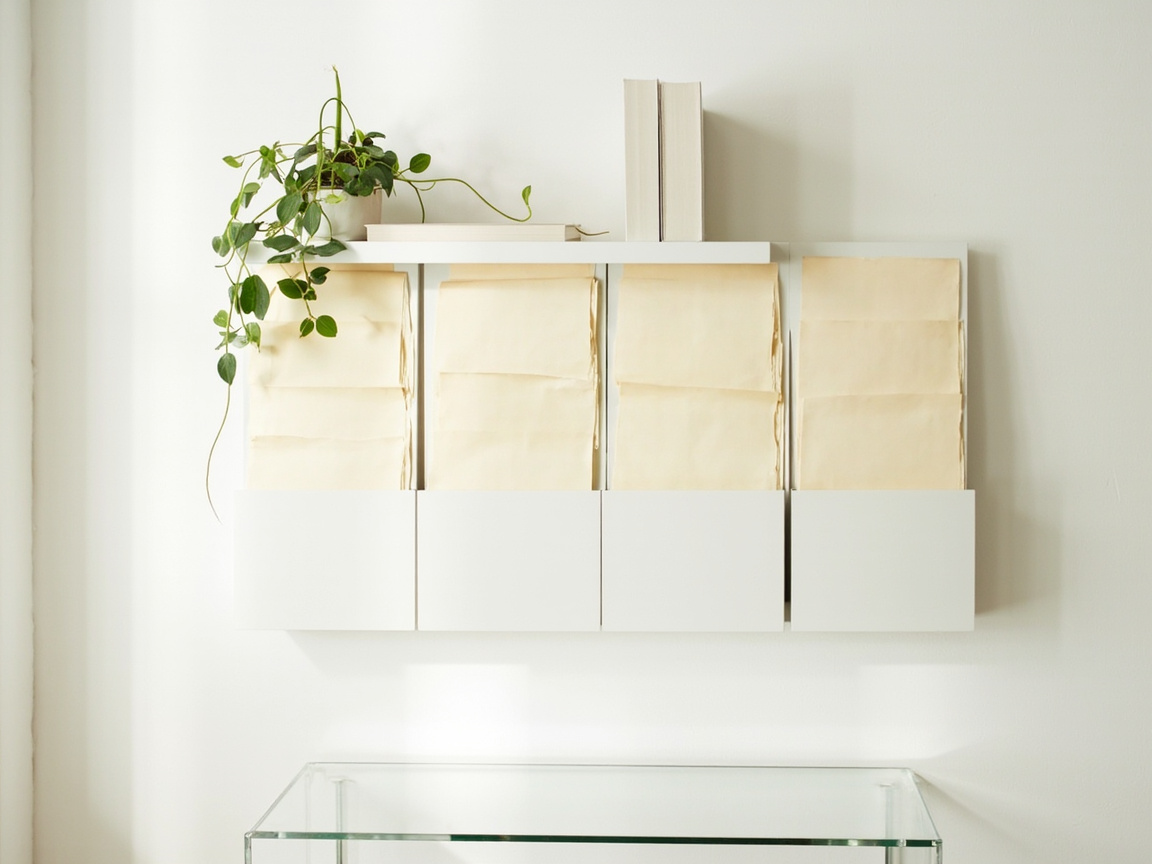
Active papers and reference material belong where you can see the category without covering the desk. A wall file works for documents that still have a next step, while a shelf or hook handles notebooks, headphones, and lightweight tools. The SUPEASY 10-Tier Wall File Organizer costs $28.99 and moves paper storage upward. Label tiers by action, not by vague contents: Incoming, To Read, Bills, Action Needed, To File, and Reference. Check the wall location from your chair before mounting so the most-used tier sits at eye level. The shelf organizer guide and hooks and racks storage guide can help with the rest of this zone.
Zone 4: Paper and Filing
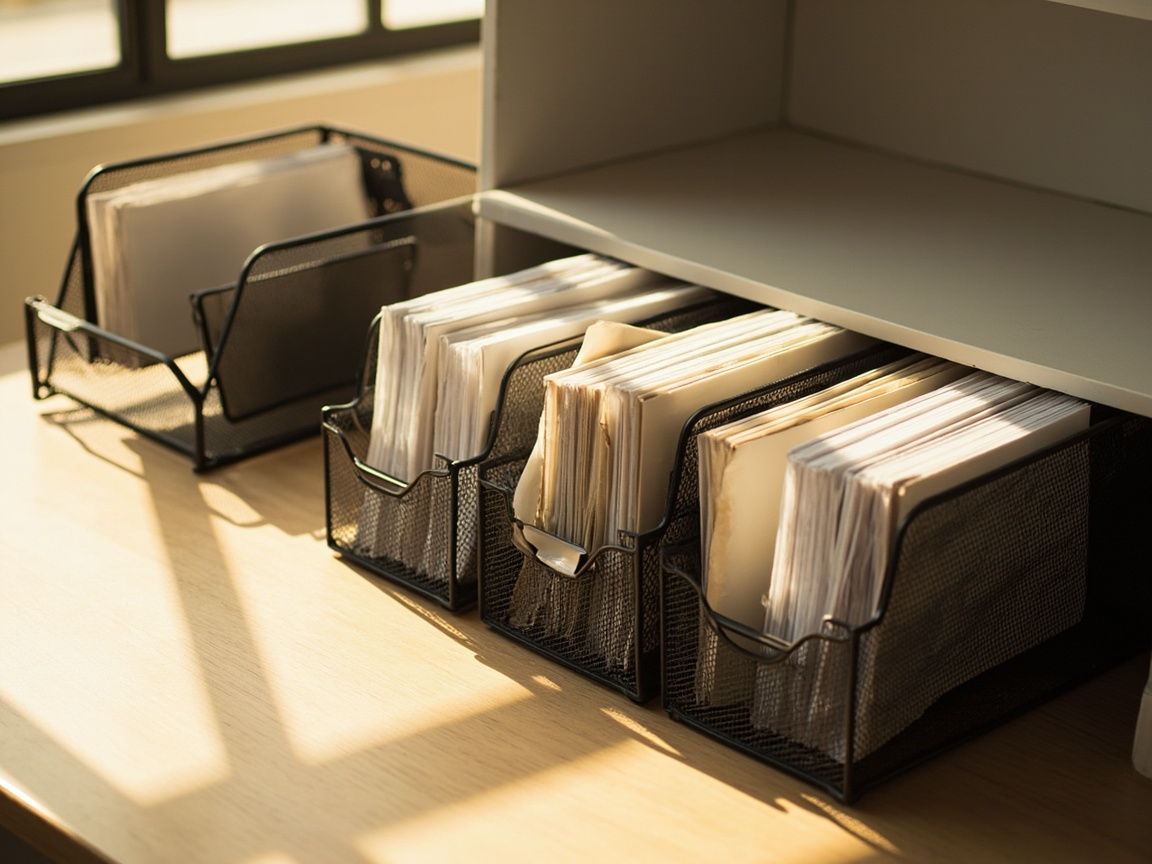
This zone has two jobs: keep current paper moving and protect records that stay. Use a short path for new mail: Incoming, Action Needed, To File, and Recycle. The Marbrasse 6 Tier Paper Organizer Letter Tray costs $17.99 and provides six levels for those decisions. Once a document becomes a record, move it out of the active tray. The BYNSOE 2 Drawer File Cabinet with Lock costs $64.99 and is designed for letter-size filing with a lock. Keep private records separate from everyday action papers. Use the clear bins versus opaque bins guide for non-paper backups and labeling ideas for folders and containers.
Zone 5: Cable and Tech
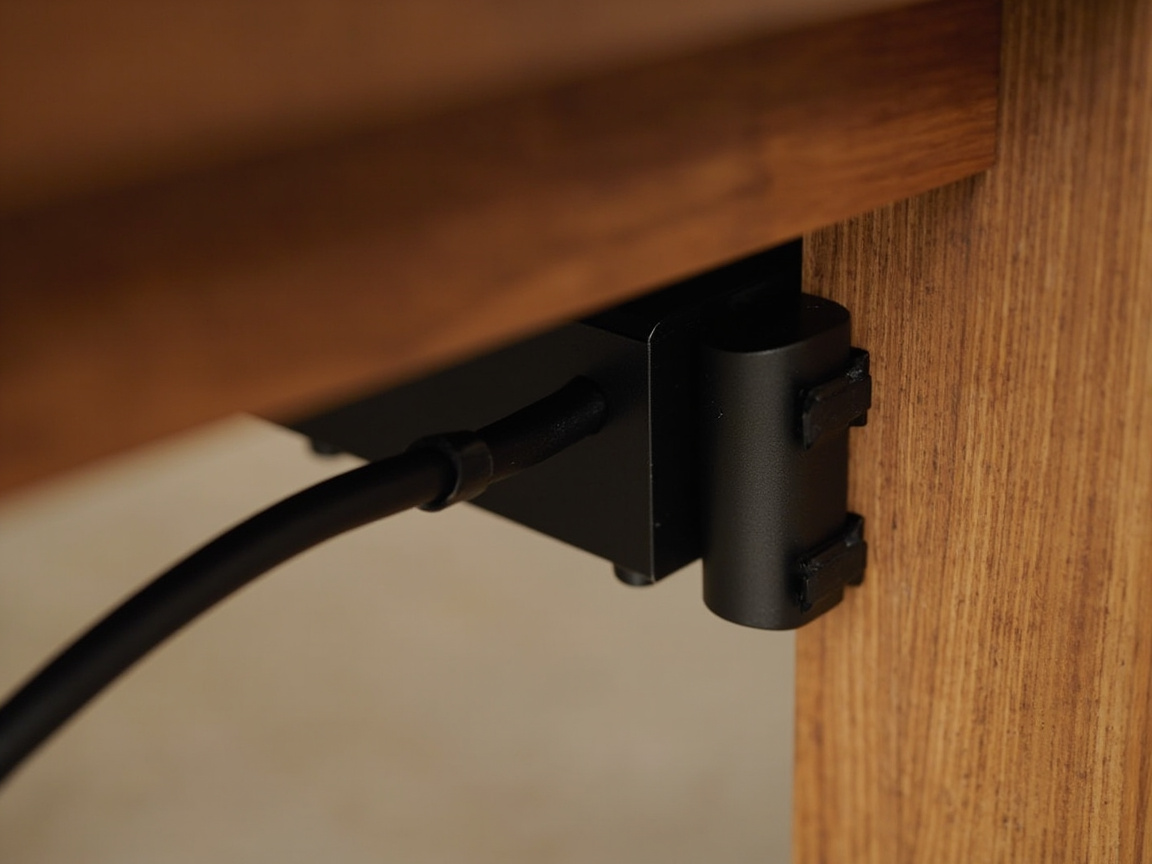
Start by unplugging every lead and identifying what it powers. Remove dead cables, group the rest by device, and leave a small service loop so you can move equipment without pulling a connector. The LOVJOYSE Under Desk Cable Management Tray costs $23.99 and gives a 25.3-inch no-drill metal tray for the surge protector and slack. The Litwaro Under Desk Cable Management Tray costs $13.99 and is a lower-cost mesh option. Label both ends of each cable, keep power cords separate from data leads where practical, and never hide a damaged cord or overloaded power strip. A tidy cable zone should make inspection easier, not conceal a safety problem.
The 5-Step Declutter and Organize Method
Run these steps in order before adding organizers. Buying storage before sorting keeps the same clutter. Compare this sequence with the KonMari method.
Step 1: Purge Everything from Each Zone
Take the contents of the desk, drawer, wall files, paper station, and cable area out where you can see them. Sort into Keep, Recycle, Donate, Relocate, and Shred. A home-office decluttering discussion on Reddit points to the same order: clear out first, measure second, and buy last. Don’t organize an item you already know you won’t keep.
Step 2: Apply the 30-Day Rule
Items used in the last 30 days can stay near the desk. Items used in the last 30 to 90 days can move to a drawer, shelf, or archive. Items untouched for more than 90 days need a specific reason to remain; otherwise recycle, donate, or shred them. Records with legal, tax, or personal value aren’t governed by the calendar alone. Keep them in the filing zone and set a review date.
Step 3: Assign Each Item to One Zone
A pen belongs in the Desk Surface or Desk Drawer zone, not both. Weekly supplies go in the drawer, active papers go to Wall and Vertical or Paper and Filing, and cables go to Cable and Tech. If an item seems to need two homes, keep it where you use it most and add a simple note or label for the second user.
Step 4: Buy Only What You Need
Measure the desk surface, drawer interior, wall width, file depth, and cable route. Compare those measurements with the product dimensions before ordering. The declutter-on-a-budget guide is a useful reminder to build the smallest working setup first. Don’t buy a complete matching set when one divider or tray fixes the actual bottleneck.
Step 5: Schedule the Weekly Reset
Use a 60-second daily tidy to return supplies and file today’s papers. Spend 10 minutes each week auditing the action folder and cable route. Do a 30-minute monthly paper and supply review, then a 90-minute quarterly purge across all five zones. The declutter maintenance routine can turn these small resets into a repeatable calendar.
Layout by Home Office Size
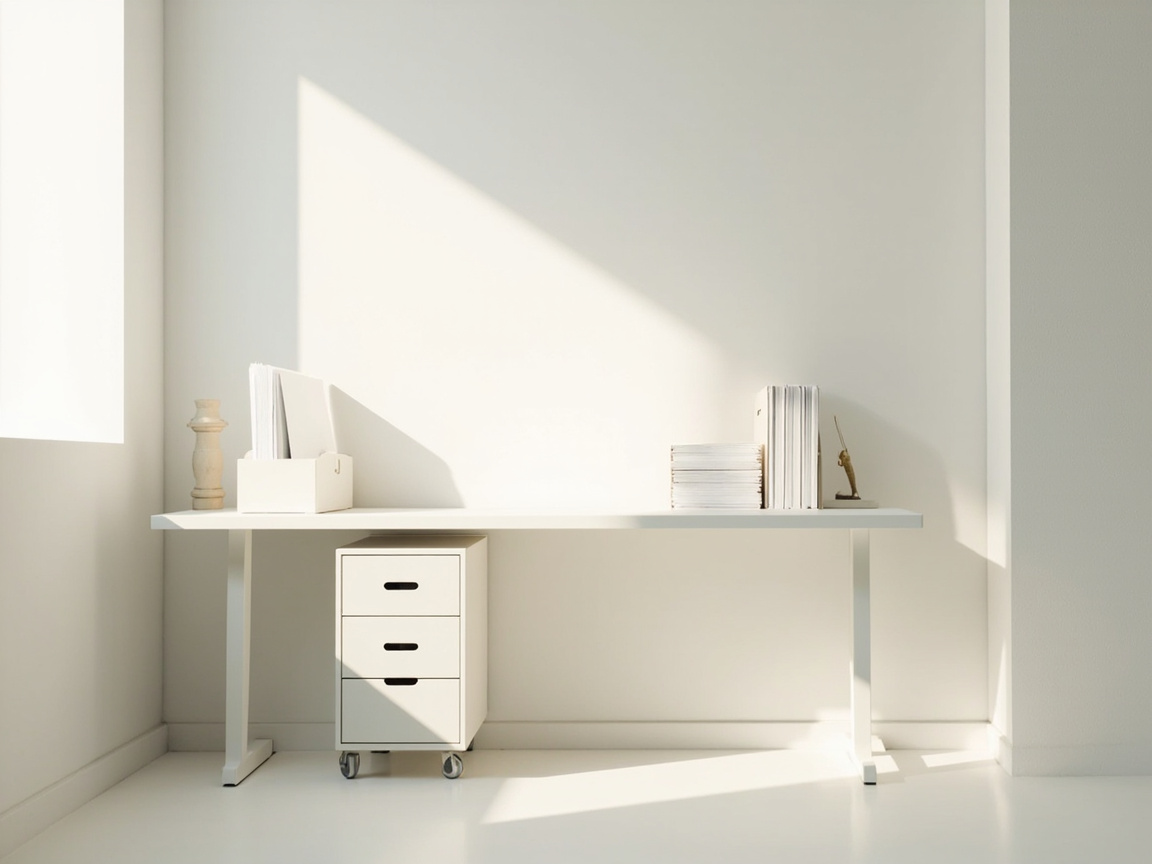
Home offices range from a corner desk under 50 square feet to a dedicated room of 100 square feet or more. The five-zone system stays the same; the difference is which zones remain visible and which move to a wall, drawer, or cabinet.
Small: Under 50 Sq Ft
Use a wall-first layout for a corner desk or a shared bedroom. Keep the Desk Surface to the monitor, keyboard, mouse, and one compact organizer. Move active files up with the SUPEASY 10-Tier Wall File Organizer at $28.99, and divide the drawer with the Bofoho Adjustable DIY Drawer Divider at $13.99. That $42.98 baseline covers paper and small supplies without taking floor space. Keep the cable tray under the desk, not on the floor. For the bedroom side of a shared room, see small-bedroom organization and under-bed storage.

Mid-Size: 50 to 100 Sq Ft
A dedicated desk and chair area gives all five zones room to work. Keep one desktop organizer visible, use a divided drawer for weekly supplies, place a paper tray beside the desk, and put the cable tray below the back edge. A mid-size setup using the gianotter Wood Desk Organizers ($19.99), KIBAGA Desk Accessories Set ($22.99), Marbrasse Paper Organizer ($17.99), and LOVJOYSE Cable Tray ($23.99) totals $84.96. Use a corner for reference material rather than widening the desk pile. The closet storage solutions guide has similar corner and vertical planning ideas.
Large: 100+ Sq Ft
In a dedicated room, put the Mail and Action station near the door and the main desk deeper inside. Keep the five work zones close to the desk, then add a reading or planning corner only after the active areas work. A wall file, paper tray, locking cabinet, two desk organizers, a divided drawer, and a cable tray can create a separate paper path without covering the work surface. Use the small-space decluttering guide even in a large room: extra floor area isn’t a reason to keep items without a job. The garage organization guide shows how a separate work zone can coexist with storage. For seasonal or household records, the linen closet organization guide shows how category labels can keep infrequent-use storage separate.
Quick Wins: 4 Actions You Can Do This Weekend
If the full method feels like too much, start with one visible bottleneck. Each action takes under 15 minutes and creates a small rule you can repeat.
Label One Mail and Action Folder
Take one folder and write “Action Needed” on it. Move every paper that requires a response, payment, signature, or decision into that folder. Put it beside the paper tray, not on the center of the desk. You now have one place to check each morning.

Bundle Your Cables
Unplug the leads you can identify, remove the dead ones, and group the rest by device. Use five ties or another simple bundle method, then place the group below the desk. Leave slack at the connectors so a small desk movement doesn’t pull on the ports.

Reset One Drawer
Choose the worst drawer, empty it, and put back only supplies used in the last 90 days. Add a divider to create sections for pens, clips, notes, and drives. Leave one section open for future supplies instead of filling every inch.
Do a Five-Minute Weekly Sweep
Return pens, file loose papers, wipe the surface, and check the cable tray. If an item has no zone, place it in a temporary Relocate pile and decide its home before you finish. A short sweep works better than waiting for a full-room crisis.

Recommended Products
These eight picks cover the five-zone system. Prices below came from the Amazon Creators API lookup on July 20, 2026; availability and prices can change. Each link uses the Declutter101 affiliate tag.
| Product | Zone | Editorial badge | Price |
|---|---|---|---|
| gianotter Wood Desk Organizers | Desk Surface | Best Overall | $19.99 |
| KIBAGA Desk Accessories Set | Desk Surface | Best Aesthetic | $22.99 |
| Bofoho Drawer Divider | Desk Drawer | Best Divider | $13.99 |
| Marbrasse 6 Tier Paper Organizer | Paper and Filing | Best Paper Tray | $17.99 |
| SUPEASY 10-Tier Wall File | Wall and Vertical | Best Wall File | $28.99 |
| BYNSOE 2 Drawer File Cabinet | Paper and Filing | Best Locking | $64.99 |
| LOVJOYSE Under Desk Cable Tray | Cable and Tech | Best Premium | $23.99 |
| Litwaro Under Desk Cable Tray | Cable and Tech | Best Budget | $13.99 |
Constraints That Change the Setup
Four real-world constraints change which parts of the five-zone system should stay visible. Each setup below uses products already verified for this article, so the price math is clear and the purchase stays focused.
If Renting: No Drilling Allowed
If wall mounting is off-limits, keep the Wall and Vertical zone freestanding or use a surface you can remove without damage. The LOVJOYSE no-drill Cable Tray at $23.99 and Litwaro no-drill Cable Tray at $13.99 keep the tech zone off the floor without drilling. Choose one tray, check the desk surface and mounting instructions first, and use a freestanding paper tray for active files.

If Your Budget Is Under $50
Build the smallest working kit rather than trying to furnish all five zones. The Bofoho Drawer Divider at $13.99, Marbrasse Paper Organizer at $17.99, and Litwaro Cable Tray at $13.99 total $45.97 before tax. This covers the drawer, paper, and cable zones; use an existing cup for pens and purge the surface before adding anything else. The declutter-on-a-budget guide has more ways to start with what you own.
If There Is No Closet or Built-In Storage
A shared room needs a vertical-first stack: active papers on the wall, small supplies in the drawer, and daily tools on the surface. The SUPEASY 10-Tier Wall File at $28.99, Bofoho Drawer Divider at $13.99, and gianotter Desk Organizers at $19.99 total $62.97. Use the wall file for categories that need visibility, then keep the desk surface limited to the current task.
If Ergonomics and Wellness Come First
Keep the Cable and Tech zone clear of your feet, the monitor at a comfortable viewing height, and the keyboard and mouse close enough that your shoulders can relax. Start with the LOVJOYSE Cable Tray at $23.99 and Litwaro Cable Tray at $13.99, choosing one after measuring your desk. Then adjust chair, monitor, and lighting before buying another organizer. Clear floor space makes it easier to stand, stretch, and move around the desk.

Weekly Reset and Maintenance
The five-zone system survives only when you reset it on a rhythm. These cadences match how quickly paper, supplies, and cables drift back onto the desk.
Daily 60-Second Tidy
Return the pen, notebook, and current tools to their homes. File today’s papers, empty the mug, and wipe the working surface. Use the declutter maintenance routine as a wider model, but keep this version short enough to do before you leave the desk. The goal is a clear start tomorrow, and you’ll get there in under a minute.

Weekly 10-Minute Reset
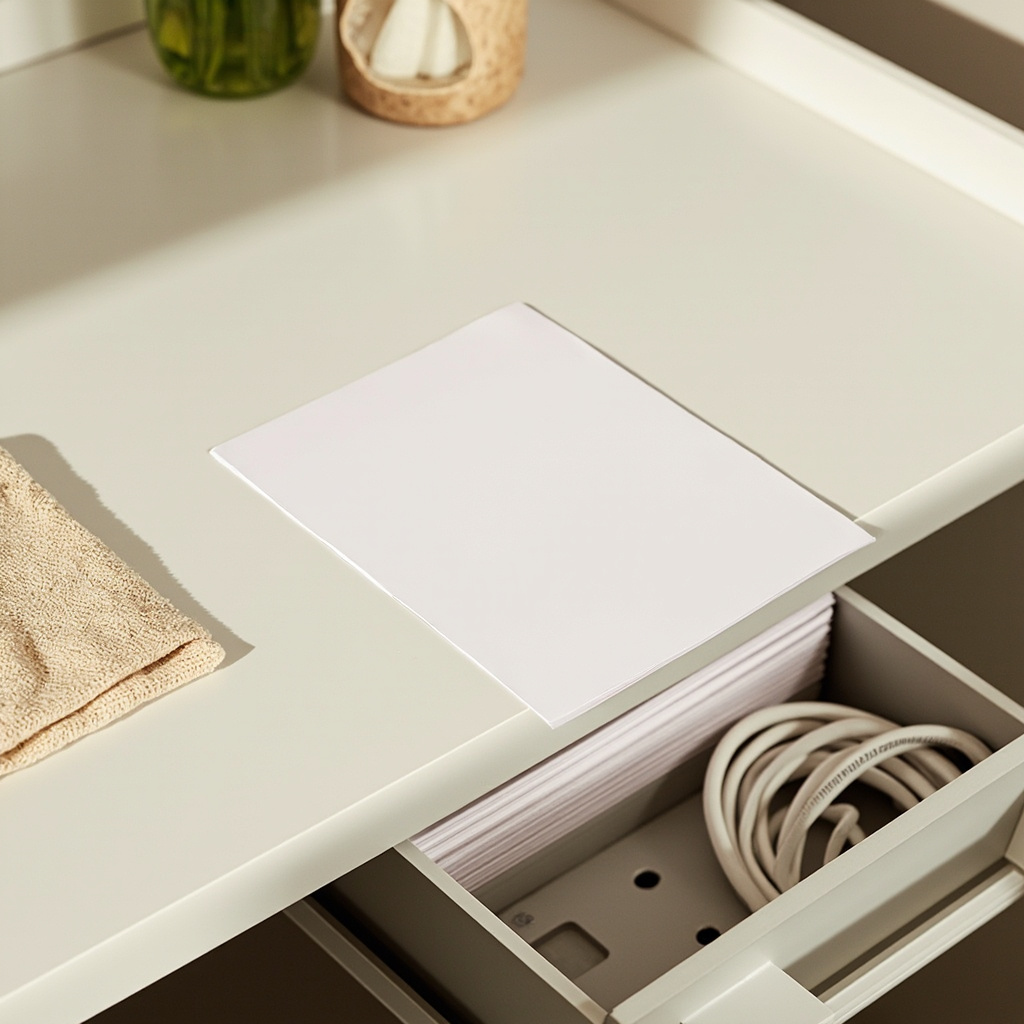
Wipe the desk, audit the Action Needed folder, restock supplies, and look beneath the desk for loose leads. Vacuum or dust around the cable tray without pulling on connections. If a product is holding something from another zone, return the item and adjust the label rather than creating another catch-all container.
Monthly 30-Minute Deep Review
Empty the paper tray one level at a time, file records, recycle duplicates, and check the drawer for supplies you never used. Dust the wall file and inspect cable clips, plugs, and mounting points. Update the layout if your work pattern changed; a zone is a tool, not a permanent floor plan.

Quarterly Full Audit
Apply the KonMari method to all five zones. Remove unused supplies, review records that no longer need to stay active, and change labels if categories have shifted. Check the room from the doorway and from the chair: the first view shows visual clutter, while the second shows whether the workflow still feels natural. Set the next audit date before you finish.

Wrap-Up
Home office organization gets easier when the room has five clear jobs: Desk Surface for current work, Desk Drawer for weekly supplies, Wall and Vertical for visible active items, Paper and Filing for documents, and Cable and Tech for cords and devices. Match the layout to your square footage, then adjust for renting, budget, storage limits, or long work sessions. Start with Zone 1 this weekend: clear the desk, choose one verified organizer if you need it, and finish with a 60-second reset. For the wider site framework, visit Start Here, browse Declutter101’s home organization essentials, or see the entryway organization guide for another high-traffic zone.